Traveling to Uganda can be an incredibly rewarding experience. Known as the “Pearl of Africa,” Uganda offers diverse landscapes, abundant wildlife, rich cultures, and warm hospitality. However, like any international trip, especially to a developing country, it requires thoughtful preparation. Below are important things to consider before traveling to Uganda, organized into detailed paragraphs to help you plan thoroughly and confidently.
Visa Requirements For Traveling to Uganda
Before anything else, consider entry requirements and documentation. Most travelers to Uganda require a visa, which can often be obtained online through the official e-visa system or on arrival, depending on nationality. It is essential to check your specific country’s visa requirements well in advance. Your passport should be valid for at least six months beyond your intended stay and have blank pages for entry stamps. Additionally, you may be required to present proof of onward travel and accommodation details. Immigration regulations can change, so it is wise to confirm the latest information through the Ugandan embassy or official immigration website before departure.
Tips for traveling to Uganda
Health and vaccination requirements are among the most critical considerations. Uganda requires proof of yellow fever vaccination for entry, and you must carry your International Certificate of Vaccination. Beyond yellow fever, it is strongly recommended to consult a travel health clinic several weeks before departure to discuss vaccines such as hepatitis A and B, typhoid, tetanus, and possibly rabies, depending on your itinerary. Malaria is prevalent in most parts of Uganda, including the capital city, so taking antimalarial medication and using insect repellent, long-sleeved clothing, and mosquito nets is vital. Access to healthcare facilities in rural areas can be limited, so comprehensive travel insurance that includes medical evacuation coverage is highly advisable.
Safety And Health Tips For Uganda
Understanding the geography and climate of Uganda will help you pack and plan appropriately. Uganda lies along the equator but has varied terrain, including highlands, lakes, and savannahs. The climate is generally tropical with two main rainy seasons: March to May and October to November. Roads can become muddy and difficult to navigate during heavy rains, particularly in national parks and rural areas. If you are planning wildlife safaris or gorilla trekking, timing your trip during the drier months may improve accessibility and wildlife viewing opportunities. However, dry seasons are also peak tourist periods, meaning higher prices and the need for advance bookings.
Transportation infrastructure is another important factor. The main international gateway is Entebbe International Airport, located near the shores of Lake Victoria. The capital city, Kampala, is about an hour’s drive from the airport, depending on traffic. Road conditions vary widely. Major highways between cities are generally paved, but rural roads can be rough and require four-wheel-drive vehicles. Public transportation is available through minibuses known as matatus and motorcycle taxis called boda-bodas. While affordable and widely used by locals, they may not always meet the safety standards expected by international travelers. Many visitors prefer hiring private drivers or booking organized tours, especially for travel to remote parks.
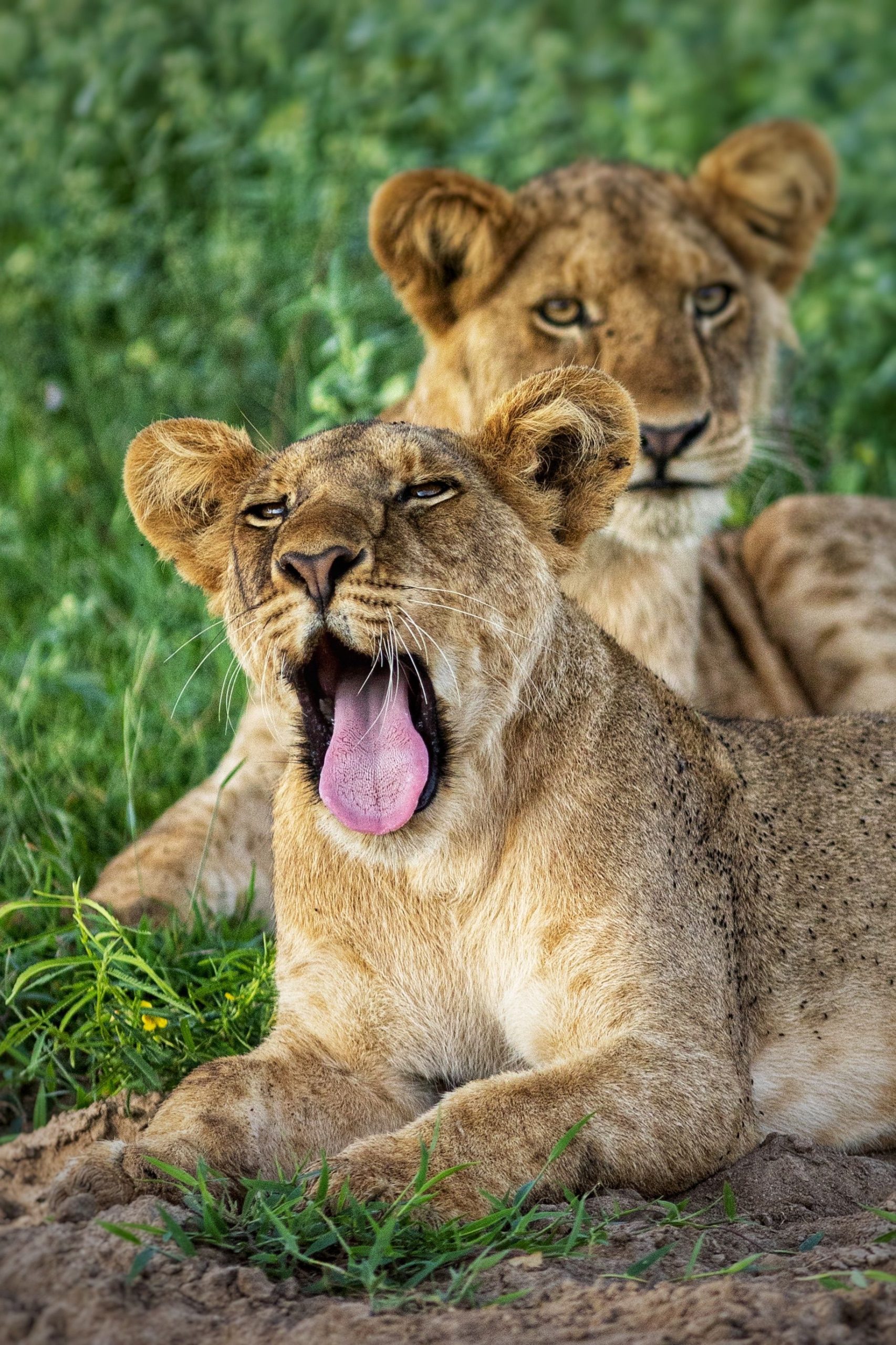
If you are visiting Uganda for wildlife experiences, especially gorilla trekking, early planning is crucial. Uganda is home to endangered mountain gorillas, primarily in Bwindi Impenetrable National Park and Mgahinga Gorilla National Park. Gorilla trekking permits are limited and can sell out months in advance, particularly during high season. These permits are relatively expensive but are strictly regulated to protect the animals and their habitat. Trekking can be physically demanding, requiring hiking through steep, muddy terrain at high altitudes, so a reasonable level of fitness is necessary. Packing proper hiking boots, rain gear, and gloves is essential.
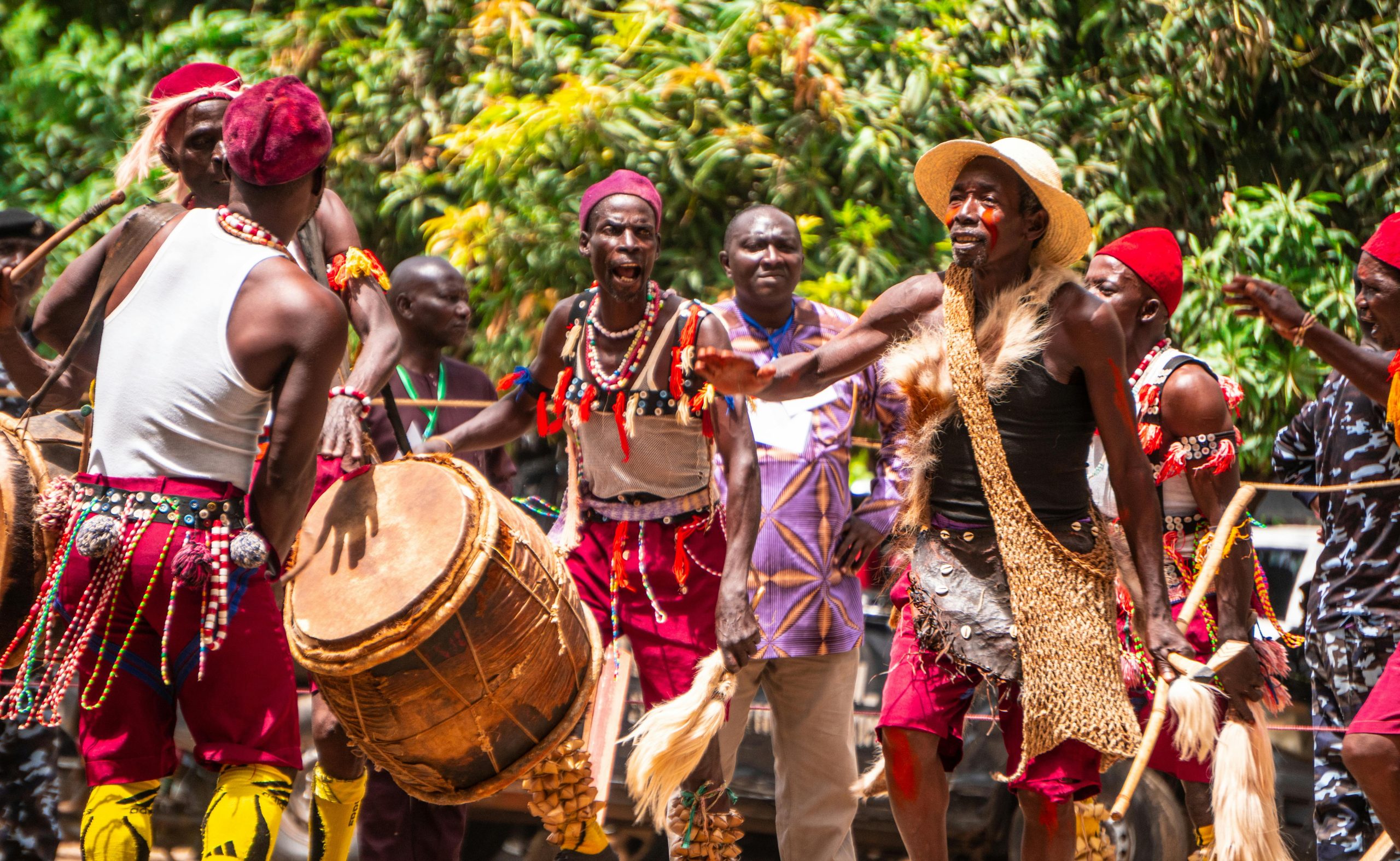
Cultural awareness and respect are also key considerations. Uganda is ethnically diverse, with numerous tribes and languages, though English and Swahili are official languages. Ugandans are generally welcoming and polite, and modest dress is appreciated, particularly in rural areas and religious settings. It is courteous to ask for permission before taking photographs of people. Public displays of affection are uncommon, and conservative values are prevalent in many communities. Understanding local customs, greetings, and social norms will enhance your experience and help you build positive interactions with residents.
What to Pack When Traveling To Uganda
Money matters require attention as well. The local currency is the Ugandan shilling. While major hotels, lodges, and tour operators may accept credit cards, cash is widely used, especially in smaller towns and markets. ATMs are available in cities but may not always function reliably, and withdrawal limits can be low. It is wise to carry some US dollars in good condition (recent series and unmarked bills) for exchange if needed. Inform your bank before traveling to avoid blocked transactions. Tipping is appreciated in the tourism sector but not mandatory; small gratuities for guides, drivers, and hotel staff are customary.
Safety and security should be considered realistically but without undue alarm. Uganda is generally stable, but like many countries, petty crime such as pickpocketing and bag snatching can occur, particularly in crowded urban areas. Keeping valuables discreet, avoiding walking alone at night in unfamiliar neighborhoods, and using reputable transportation services are sensible precautions. Travelers should monitor official travel advisories and stay informed about local conditions. In national parks and border regions, always follow the guidance of local authorities and park rangers.
Accommodation options in Uganda range from budget guesthouses to luxury safari lodges. In major cities and tourist areas, you can find international-standard hotels, but in remote regions, facilities may be simpler. Electricity outages can occur, and some lodges rely on generators or solar power, which may limit charging hours. Internet access is improving but can be slow or inconsistent outside urban centers. If reliable connectivity is important for your trip, consider purchasing a local SIM card with a data plan upon arrival.
Environmental responsibility is another factor to keep in mind. Uganda’s ecosystems are fragile, particularly in rainforest and wildlife areas. Travelers should follow Leave No Trace principles, avoid littering, and respect wildlife by maintaining safe distances and adhering to park rules. Plastic bag use has been restricted in Uganda, and travelers should avoid bringing large quantities of plastic packaging. Supporting eco-friendly lodges and community-based tourism initiatives can contribute positively to conservation and local livelihoods.
Food and water safety is an essential consideration. While Uganda offers delicious local dishes such as matoke (steamed plantains), posho (maize porridge), and grilled meats, visitors should be cautious with street food if they have sensitive stomachs. It is advisable to drink bottled or purified water rather than tap water. Many lodges provide filtered water for guests. Washing hands frequently and carrying hand sanitizer can help prevent common travel-related illnesses.
Language and communication should also be considered. English is widely spoken, especially in urban areas and within the tourism industry, making navigation relatively straightforward for English-speaking visitors. However, learning a few local phrases in Luganda or Swahili can be appreciated and help create rapport with locals. Mobile network coverage is generally good in populated areas, but remote parks may have limited or no signal.
Finally, think carefully about your travel purpose and expectations. Whether you are visiting for safari, adventure tourism, cultural exploration, volunteer work, or business, each type of trip requires different preparations. Uganda offers opportunities such as white-water rafting on the Nile near Jinja, chimpanzee trekking in Kibale Forest, and traditional cultural encounters in rural villages. Being clear about your goals will help you structure your itinerary effectively, budget appropriately, and make necessary bookings in advance.
In conclusion, traveling to Uganda requires thoughtful planning in areas such as visas, health precautions, transportation, safety, cultural awareness, and environmental responsibility. With proper preparation, visitors are rewarded with breathtaking landscapes, extraordinary wildlife encounters, and meaningful cultural experiences. By taking the time to understand the country’s unique characteristics and preparing accordingly, you can ensure a safe, respectful, and unforgettable journey to the Pearl of Africa.