Cultural tourism in uganda
Uganda, often celebrated as the “Pearl of Africa,” is a country where culture is not preserved behind museum glass but lived daily in villages, kingdoms, homesteads, markets, shrines, and royal palaces. Cultural tours in Uganda offer immersive experiences that go far beyond sightseeing. Visitors engage directly with communities, learn ancient traditions, witness ceremonies, taste indigenous cuisines, and participate in storytelling, music, dance, and craft-making. The country’s cultural diversity is remarkable, with more than 50 ethnic groups, each with its own language, customs, attire, governance systems, and spiritual beliefs.
Buganda culture
One of the most prominent cultural experiences in Uganda centers around the historic Buganda Kingdom in central Uganda. The kingdom’s capital lies in Kampala, and cultural tours often begin here. A visit to the Kabaka’s Palace (Lubiri) introduces travelers to the monarchy’s history, political influence, and spiritual leadership. Guides share stories of past kings, colonial encounters, and the modern restoration of cultural authority. Nearby, the Kasubi Royal Tombs—though not linked here—are a sacred burial site for former kings. During tours, visitors learn about royal burial rituals, the symbolism of traditional architecture, and clan systems that shape Buganda society.
Beyond the royal institutions, visitors can explore rural Buganda villages to understand daily life. Cultural tours here include participation in banana plantation harvesting, coffee roasting demonstrations, and preparation of local meals using traditional cooking stones. Elders narrate folklore under large mango trees, and children often perform songs and dances for guests. Visitors are encouraged to try playing the engoma drums or learn basic Luganda phrases.
Tooro Culture
In western Uganda, the kingdom of Tooro provides another rich cultural landscape. The Tooro Kingdom palace in Fort Portal reflects a blend of tradition and modern monarchy. Visitors learn about the Omukama (king), royal regalia, and the significance of coronation ceremonies. Cultural tours in Tooro often extend into nearby villages where traditional healers demonstrate herbal medicine preparation. Guests participate in storytelling sessions that recount myths about the Bachwezi dynasty, believed to have supernatural origins.
The Ankore Culture
The Ankole region of southwestern Uganda offers cultural tours deeply connected to cattle keeping traditions. The Banyankole people are historically pastoralists, and the iconic Ankole long-horned cattle are central to their identity. In rural homesteads, visitors observe milking practices, learn how ghee is processed, and discover how cattle are used in marriage negotiations and social status. Women demonstrate how gourds are cleaned and smoked for milk storage. Guests may join in traditional dance performances featuring rhythmic movements that mimic cattle behavior.
Eastern Uganda presents vibrant cultural traditions among the Basoga, Bagisu, and other communities. Among the Bagisu of Mount Elgon, the Imbalu circumcision ceremony is one of the most significant cultural events. Though ceremonies occur in specific seasons, cultural tours provide educational insights into the rituals, songs, and symbolism surrounding initiation into manhood. Visitors may attend rehearsals of traditional dances, learn about the sacred drums used during ceremonies, and explore local markets selling ceremonial attire.
In northern Uganda, cultural tours highlight resilience and rich heritage among communities such as the Acholi and Langi. In Acholi villages, visitors experience traditional homesteads arranged in circular patterns. Elders explain the significance of communal granaries and the role of chiefs in conflict resolution. Cultural activities include learning the Bwola royal dance, participating in craft-making workshops that produce woven mats and clay pots, and tasting traditional dishes such as malakwang (a sour vegetable stew).
The Karamojong Culture
The Karamojong people of northeastern Uganda offer one of the most distinctive cultural encounters. Known for their semi-nomadic pastoral lifestyle, the Karamojong maintain strong traditions centered around cattle, warriorhood, and community solidarity. Cultural tours to Karamoja include guided visits to traditional manyattas (homesteads), demonstrations of beadwork crafting, and explanations of age-set systems. Visitors may observe traditional dances characterized by high jumps and rhythmic chanting. Women demonstrate how they create intricate necklaces and bracelets from colorful beads, each design carrying symbolic meaning. Cultural exchange here emphasizes respect and understanding of a lifestyle shaped by arid landscapes and livestock herding.
Along the shores of Lake Victoria, fishing communities offer unique cultural insights. In island settlements, visitors join fishermen at dawn to witness traditional net casting and canoe navigation. Women demonstrate fish smoking techniques used to preserve catch for market sales. Cultural tours often include participation in communal cooking sessions where tilapia is grilled over open fires. Storytelling about water spirits and lake myths adds spiritual context to daily activities. Visitors also learn about environmental conservation efforts aimed at protecting fishing livelihoods for future generations.
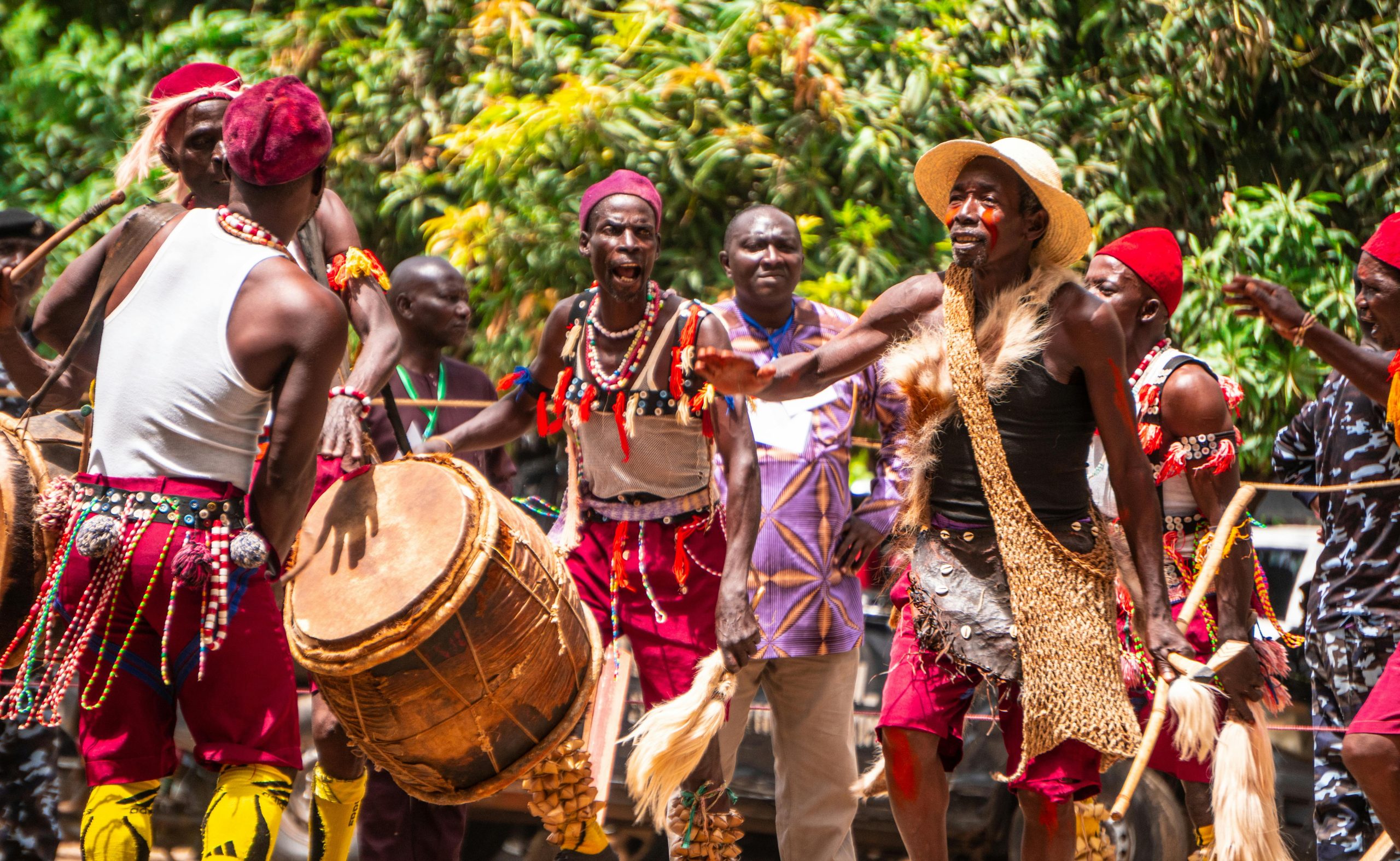
Uganda’s cultural landscape is also expressed through music and dance, which vary significantly across regions. Drumming is a unifying element, yet rhythms differ between kingdoms and ethnic groups. Cultural centers in major towns organize performances that showcase multiple traditions in one setting. Visitors may participate in dance workshops, learning footwork and symbolic gestures. Musical instruments such as the adungu (arched harp) and endongo (lyre) are introduced, and skilled musicians explain their construction. These interactive experiences deepen appreciation for the role of music in storytelling, worship, celebration, and conflict resolution.
Traditional cuisine forms an essential component of cultural tours. Across Uganda, food preparation is communal and symbolic. Visitors often participate in grinding millet on stone slabs, peeling matooke, or stirring stews in clay pots. Meals are shared on woven mats, reinforcing social bonds. Guides explain how dishes vary regionally: groundnut sauces dominate in central regions, smoked meats in pastoral areas, and leafy greens in northern districts. Food tasting sessions become opportunities to discuss agricultural practices, climate adaptation, and ceremonial feasts associated with weddings or harvest festivals.
Craft-making workshops are popular components of cultural itineraries. In different regions, artisans specialize in basket weaving, pottery, bark cloth production, wood carving, and beadwork. Visitors learn hands-on techniques, from shaping wet clay into cooking pots to carving symbolic patterns into wooden masks. Crafts often carry clan insignias or spiritual motifs, and artisans share stories behind each design. Purchasing handmade items directly from communities supports local economies and reinforces the sustainability of cultural preservation.
Spiritual heritage is another significant aspect of cultural tours. Uganda hosts sacred sites where traditional beliefs coexist alongside Christianity and Islam. Shrines dedicated to ancestral spirits are found in forested areas, and guides respectfully explain rituals performed during times of illness or drought. Visitors observe offerings of food and drink, and elders recount myths that define moral values. These experiences are approached with sensitivity, ensuring that sacred practices are respected while fostering cross-cultural understanding.
Urban cultural tours in Kampala and other towns also highlight contemporary expressions of identity. Markets bustle with vendors selling fabrics, spices, crafts, and fresh produce. Guided walks introduce visitors to tailoring workshops where gomesi dresses are sewn and to studios where modern musicians blend traditional rhythms with Afrobeat influences. Art galleries display paintings that depict rural life and historical narratives. Such tours reveal how culture evolves while maintaining roots in ancestral traditions.
Community-based tourism initiatives across Uganda emphasize responsible travel. Many cultural tours are organized by local cooperatives that reinvest proceeds into schools, health clinics, and infrastructure. Visitors learn about the economic impact of tourism and participate in tree-planting activities or school visits. Cultural exchange becomes a two-way process, where travelers share skills or stories from their own backgrounds while learning from Ugandan hosts. This collaborative approach strengthens mutual respect and sustainable development.
Festivals provide another dynamic window into Uganda’s cultural vibrancy. Annual celebrations bring together music, dance, storytelling, and cuisine in colorful gatherings. Though dates vary, travelers who time their visits accordingly can witness grand parades and community competitions. Festival activities often include craft exhibitions, fashion shows featuring traditional attire, and culinary contests. These events demonstrate the living nature of culture as communities celebrate heritage with pride.
Cultural tours in Uganda ultimately offer more than observation—they invite participation. Whether milking cattle in Ankole, drumming in Buganda, dancing in Acholi villages, weaving baskets in Tooro, or learning beadwork in Karamoja, visitors become part of daily rhythms. Through these immersive activities, travelers gain insight into Uganda’s layered identities shaped by history, environment, spirituality, and resilience.
The depth and diversity of cultural experiences across Uganda make it a remarkable destination for travelers seeking meaningful engagement. Every region tells a story through architecture, music, dress, cuisine, and ceremony. Cultural tours create bridges between communities and visitors, preserving traditions while generating sustainable livelihoods. In exploring Uganda’s cultural heritage, one encounters not only the beauty of landscapes but the richness of human connection that defines the nation.