Gorilla Trekking from China – Complete Uganda Gorilla Safari Guide
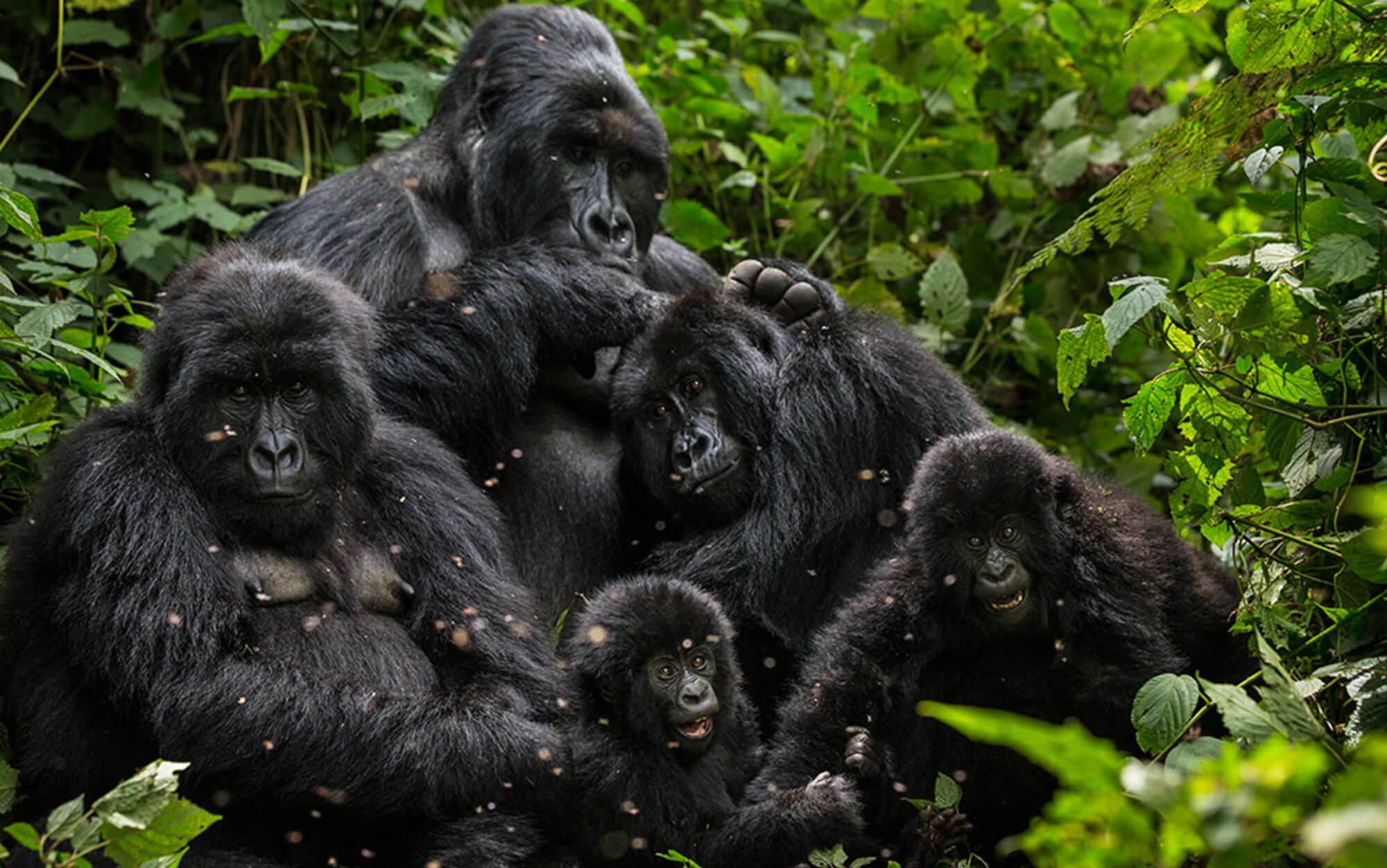
Gorilla trekking from China to Uganda is an extraordinary African wildlife journey that takes travelers from some of Asia’s largest and most modern cities into the ancient rainforests of East Africa. Deep inside Uganda’s Bwindi Impenetrable National Park and Mgahinga Gorilla National Park, endangered mountain gorillas live among mist-covered hills, bamboo forests, tangled vines and towering tropical trees. Meeting these remarkable primates in their natural habitat is very different from seeing wildlife in a zoo or wildlife park. Travelers enter the forest on foot, accompanied by professional Uganda Wildlife Authority guides and trackers, and search for a habituated gorilla family whose movements are determined entirely by the forest.
For travelers from Beijing, Shanghai, Guangzhou, Shenzhen, Chengdu, Hangzhou and other parts of China, Uganda may initially appear distant. However, modern international flight connections through major aviation hubs make the journey practical. Once travelers arrive at Entebbe International Airport, Peku Adventures can organize the safari from arrival to departure, including airport transfers, comfortable accommodation, private transportation, gorilla permits, park logistics, guides and additional wildlife experiences.
A Uganda gorilla safari can also be combined with chimpanzee trekking in Kibale National Park, wildlife viewing in Queen Elizabeth National Park, boat safaris on the Kazinga Channel, Murchison Falls National Park, golden monkey trekking in Mgahinga, Lake Bunyonyi, rhino tracking and other experiences. Consequently, travelers from China can turn a gorilla trek into a complete exploration of Uganda.
This comprehensive guide explains everything you need to know about gorilla trekking from China, including how to travel from China to Uganda, gorilla trekking permits, visa requirements, the best time to visit, what to expect in the forest, accommodation, what to pack, physical preparation, photography, suggested itineraries and why booking through an experienced Ugandan safari company such as Peku Adventures can simplify the entire journey.
Why Travel from China to Uganda for Gorilla Trekking?
Mountain gorillas are among the rarest and most impressive animals travelers can encounter in the wild. Unlike animals that can be observed from safari vehicles across open savannah, mountain gorillas inhabit dense forests that travelers must explore on foot. Their habitat extends through a limited area of East and Central Africa, which makes a gorilla encounter fundamentally different from many other wildlife experiences.
Uganda is one of the countries where visitors can participate in regulated mountain gorilla trekking. Gorilla trekking takes place in Bwindi Impenetrable National Park and Mgahinga Gorilla National Park. Uganda Wildlife Authority states that trekking can take approximately two to seven hours depending on the location of the gorillas, and visitors generally spend up to one hour observing the habituated gorilla family after reaching it.
For Chinese travelers who have already visited destinations such as Europe, Southeast Asia, Australia or North America, a Uganda gorilla safari offers something very different. Rather than focusing on cities and architecture, the journey places travelers inside one of Africa’s most important natural ecosystems.
The experience can also appeal to wildlife photographers. A silverback sitting quietly among vines, a mother carrying an infant or juveniles playing in vegetation can produce remarkable photographic moments. More importantly, however, gorilla trekking is not simply about taking photographs. Spending time quietly observing how gorillas interact allows visitors to appreciate their complex social behavior.
Uganda also allows travelers to combine the gorilla experience with traditional African safaris. Therefore, visitors do not have to travel to Africa simply to trek gorillas and immediately return home. A well-planned itinerary can include elephants, lions, leopards, buffaloes, hippos, chimpanzees, crocodiles, antelopes, monkeys and hundreds of bird species.
Where Does Gorilla Trekking Take Place in Uganda?
Uganda offers mountain gorilla trekking in two protected areas: Bwindi Impenetrable National Park and Mgahinga Gorilla National Park. Both are located in southwestern Uganda close to the borders with Rwanda and the Democratic Republic of Congo.
Bwindi is the better-known of the two. Its steep hills, thick rainforest and remarkable biodiversity create the classic Ugandan gorilla trekking environment that many visitors imagine before arriving in Africa.
Mgahinga is smaller and forms part of the wider Virunga landscape. Its scenery is dominated by the dramatic Virunga volcanoes, and travelers can combine gorilla trekking with golden monkey tracking and mountain hiking.
The choice between Bwindi and Mgahinga often depends on permit availability, itinerary design, preferred accommodation and the other experiences a traveler would like to include.
Bwindi Impenetrable National Park
Bwindi Impenetrable National Park is one of Uganda’s most celebrated protected areas. Its ancient tropical forest spreads across steep hills and valleys in the southwest of the country. The dense vegetation, twisting vines, giant trees and misty slopes give the forest its famous “impenetrable” character.
Uganda Wildlife Authority identifies four main trekking areas in Bwindi: Buhoma, Ruhija, Rushaga and Nkuringo.
Each sector has its own accommodation choices and trekking starting points. Therefore, visitors should not simply book a lodge somewhere around Bwindi without confirming the sector connected to their gorilla permit. Distances between sectors can be significant because the roads pass through mountainous terrain.
Peku Adventures coordinates the gorilla permit, accommodation and transportation around the correct sector so that travelers do not face unnecessary logistical problems on trekking day.
Buhoma Sector
Buhoma is one of the most established tourism areas around Bwindi. It has a good selection of lodges ranging from comfortable mid-range options to high-end properties.
The surrounding landscape is beautiful, and several community experiences and forest walks can be added to an itinerary. Buhoma also works well for itineraries arriving from Queen Elizabeth National Park through the Ishasha region.
Travelers combining gorilla trekking with a wildlife safari may therefore find Buhoma particularly convenient depending on their route.
Gorilla trekking from China in Bwindi Impenetrable National Park, Uganda with Peku AdventuresGorilla trekking from China in Bwindi Impenetrable National Park, Uganda with Peku Adventures
Ruhija Sector
Ruhija lies in the eastern part of Bwindi and is known for its elevated forest scenery. The area is usually cooler because of its altitude, particularly in the early morning.
Ruhija is attractive to visitors who enjoy forest landscapes, birding and quieter surroundings. Accommodation is available in different categories, although options may be more limited than in some other sectors.
A properly planned itinerary ensures guests stay close enough to the briefing point to avoid a long journey early on trekking morning.
Rushaga Sector
Rushaga is located in the southern part of Bwindi and has become an important gorilla trekking area. Several habituated gorilla groups can be accessed from this region.
The southern location also makes Rushaga convenient when combining Bwindi with Lake Bunyonyi, Kisoro, Mgahinga Gorilla National Park or Rwanda.
Some Uganda itineraries therefore use Rushaga as part of a broader southwestern circuit.
Nkuringo Sector
Nkuringo is famous for spectacular views across the dramatic hills surrounding southern Bwindi. The terrain is mountainous, and some treks can be physically challenging, although the exact difficulty always depends on where the gorillas move that particular day.
The reward is an impressive landscape and a strong sense of being deep in southwestern Uganda’s highlands.
Peku Adventures can advise travelers about the different Bwindi sectors when designing the itinerary.
Mgahinga Gorilla National Park
Mgahinga Gorilla National Park offers another excellent option for gorilla trekking in Uganda. The park lies within the Virunga landscape, where volcanic peaks rise dramatically above forests and cultivated hillsides.
Mgahinga has a different atmosphere from Bwindi. The scenery includes bamboo forests and volcanic terrain, while activities such as golden monkey tracking and volcano climbing provide additional reasons to spend more time in the area.
For travelers interested in primates, combining mountain gorillas with golden monkeys can make the visit particularly rewarding.
Mgahinga can also fit naturally into itineraries that include Kisoro, Lake Mutanda, Lake Bunyonyi and southern Bwindi.
How to Travel from China to Uganda
Traveling from China to Uganda normally involves an international flight to Entebbe International Airport, Uganda’s main international gateway.
There are various routing possibilities depending on the traveler’s Chinese departure city, preferred airline, ticket price and travel dates. Connections may be available through major hubs in Africa or the Middle East.
For example, Emirates publishes connecting itineraries between Beijing and Entebbe, while Ethiopian Airlines also markets Beijing–Entebbe journeys. Flight schedules change, so travelers should confirm routing and connection times when booking rather than relying on a fixed schedule months in advance.
Travelers departing from other Chinese cities may first connect through Beijing, Shanghai, Guangzhou or another international gateway before continuing toward East Africa.
It is advisable to compare the complete journey rather than simply choosing the lowest advertised fare. A slightly more expensive ticket can sometimes reduce connection times significantly.
Arriving at Entebbe International Airport
Most international visitors arrive through Entebbe International Airport. Entebbe is located on the shores of Lake Victoria and is considerably quieter than many large international cities.
For Peku Adventures guests, airport pickup can be arranged as part of the safari package. A company representative or safari guide meets the travelers after arrival and transfers them to their hotel.
Many long-haul travelers from China benefit from spending their first night in Entebbe before beginning the overland journey to southwestern Uganda. This gives them an opportunity to recover from the international flight and adjust to the time difference.
Depending on arrival time, visitors can also explore attractions around Entebbe or take a birding excursion to Mabamba Swamp in search of the unusual shoebill.
Uganda Visa Requirements for Chinese Travelers
Chinese travelers should check Uganda’s immigration requirements before departure.
China does not appear on Uganda Immigration’s current general visa-exempt nationality list, so an ordinary Chinese passport holder should normally arrange the appropriate visa before traveling. Uganda Immigration states that its single-entry tourist visa is available through the online immigration system and currently costs USD 50. The tourist visa requirements include a passport biodata page with at least six months’ validity, a tour plan, travel itinerary or booking, a recent passport photograph and accommodation information.
Uganda Immigration also states that visa-prone travelers should complete the online process and obtain their approval before traveling rather than expecting a visa to be issued on arrival.
Requirements can change, so travelers should always verify the current instructions on the official Ugandan immigration website shortly before applying.
Peku Adventures can provide the safari itinerary and accommodation information required to support a tourism visa application once the trip has been confirmed.
East African Tourist Visa
Travelers planning to visit several East African countries may consider the East African Tourist Visa.
Uganda Immigration currently describes this as a joint tourism visa covering Uganda, Kenya and Rwanda. It permits travel between the participating countries and currently costs USD 100. The country issuing the visa should be the visitor’s first point of entry into the participating region.
This option can be particularly useful for Chinese travelers who want to combine a Uganda gorilla safari with Kenya’s Masai Mara or Rwanda.
However, entry requirements should always be confirmed before travel because immigration regulations may be updated.
Yellow Fever and Travel Health Preparation
Travelers should check current vaccination and health-entry requirements before traveling to Uganda. Uganda Immigration documentation for visa applications refers to a yellow fever vaccination certificate among relevant application documentation, and the East African Tourist Visa requirements specifically list a vaccination certificate for yellow fever.
Because health requirements can change and individual travelers have different medical circumstances, visitors should consult a qualified travel-health professional well in advance of departure.
Other health discussions before visiting tropical Africa commonly include malaria prevention, routine vaccinations, insect-bite prevention, personal medication and travel insurance.
Travelers should bring sufficient quantities of any prescription medicine they regularly use and keep essential medication in their hand luggage during international flights.
Gorilla Trekking Permits in Uganda
A gorilla permit is one of the most important requirements when planning gorilla trekking from China.
Uganda Wildlife Authority controls access to habituated mountain gorilla groups. The number of trekking opportunities is limited, which helps regulate visitor pressure on the animals and their habitat.
The most recently published UWA conservation tariff listed a foreign non-resident gorilla tracking permit at USD 800 per person for the July 2024–June 2026 tariff period. UWA’s publications page, checked in September 2026, still displays that tariff as its published rate card; because that tariff period has technically ended, travelers booking future dates should have Peku Adventures reconfirm the applicable permit price before payment.
This distinction matters. Safari websites sometimes continue displaying an old gorilla permit fee long after tariffs change. Therefore, travelers should request a current quotation based on their exact trekking date rather than assuming a historic price remains valid.
Uganda Wildlife Authority’s permit guidelines state that foreign non-resident tracking permits are purchased through tour operators licensed by the Uganda Tourism Board.
When a traveler books a safari with Peku Adventures, permit availability can therefore be checked during itinerary planning and the trekking date can be incorporated into the rest of the journey.
Why Gorilla Permits Should Be Reserved Early
Gorilla trekking attracts visitors from around the world. Demand becomes particularly strong during popular travel periods.
Since the experience is controlled through a limited permit system, waiting until the final weeks before traveling can reduce the available choices.
Early booking is especially important for families, couples or private groups requiring several permits for the same day. One traveler may occasionally find last-minute availability, while obtaining four, six or eight permits on one preferred date can be more difficult.
Booking early also makes it easier to secure suitable lodges close to the relevant trekking sector.
For travelers coming all the way from China, the gorilla trekking date should ideally be one of the first elements confirmed before purchasing complicated non-refundable arrangements.
What Does a Gorilla Trekking Day Look Like?
The gorilla trekking day usually begins early.
Guests have breakfast at the lodge before driving to the designated park briefing point. It is important to arrive on time because the Uganda Wildlife Authority briefing takes place before groups enter the forest.
Park guides explain trekking procedures, conservation rules and safety considerations. Visitors are then assigned to trekking groups before departing with rangers and trackers.
The trail can pass through thick forest, muddy sections, streams and steep slopes. At certain points, trackers may need to move through vegetation where there is no obvious walking path.
The length of the trek depends largely on where the assigned gorilla family is located. Gorillas are wild animals and continue moving through their natural habitat. They do not remain next to the park headquarters simply because tourists have arrived.
Some groups may locate gorillas comparatively quickly. Others may walk for several hours.
Uganda Wildlife Authority describes typical treks as lasting roughly two to seven hours, depending on gorilla movements and other conditions.
This uncertainty is part of the adventure.
The Moment You Meet the Mountain Gorillas
Few wildlife experiences prepare visitors for the moment they first encounter a mountain gorilla in the forest.
At first, travelers may hear branches moving somewhere ahead. Then a dark shape becomes visible through the vegetation. A ranger quietly indicates where to stand, and suddenly the forest reveals an enormous silverback, an adult female or perhaps a young gorilla climbing through a nearby tree.
The size of an adult silverback can be striking, especially at close range. However, many encounters are remarkably calm. Gorillas may continue eating leaves, grooming one another, resting or moving slowly through vegetation while visitors watch quietly.
Young gorillas can be particularly entertaining. Juveniles sometimes climb trees, chase each other or play near the adults.
The experience feels intimate because visitors are standing inside the gorillas’ environment rather than observing from a vehicle.
Once the permitted observation period ends, visitors leave the gorillas and begin the walk back through the forest.
How Close Can You Get to Gorillas?
Visitors are required to follow the distance and behavioral instructions provided by Uganda Wildlife Authority rangers.
The purpose of keeping appropriate distance is to protect both visitors and gorillas. Mountain gorillas are genetically close to humans and can potentially be affected by diseases carried by people.
Sometimes a gorilla may move closer than the recommended distance by itself. Visitors should not attempt to approach or touch the animal. Instead, they should remain calm and follow the ranger’s instructions.
A silverback may appear intimidating because of its size, but the presence of experienced rangers and trackers helps visitors understand how to behave appropriately.
Visitors should never attempt to attract a gorilla’s attention, feed an animal, block its movement or imitate aggressive behavior for a photograph.
The experience is about respectfully entering their world.
How Difficult Is Gorilla Trekking?
One of the most common questions Chinese travelers ask is whether gorilla trekking is difficult.
The answer depends on the individual trek.
Bwindi is mountainous and covered by dense forest. Some trekking groups may walk across moderate terrain for a comparatively short period. Others may climb steep slopes and spend several hours searching for their gorilla family.
Rain can make the trail muddy and slippery, which increases the physical challenge.
Travelers do not need to be professional athletes, but reasonable fitness helps considerably.
People preparing for gorilla trekking from China can start regular walking several weeks before departure. Walking uphill, climbing stairs, using a treadmill with incline or hiking on weekends can improve endurance.
The goal is not to train for a marathon. Instead, travelers should become comfortable spending several hours on their feet.
Can Older Travelers Trek Gorillas?
Age alone does not automatically prevent adults from going gorilla trekking, provided they satisfy park requirements and are physically capable of participating.
Many mature travelers successfully complete gorilla treks every year.
However, anyone with significant health or mobility concerns should discuss the trek with a doctor and inform Peku Adventures during the planning stage.
Depending on the location and local arrangements, assistance such as porters can significantly reduce the physical burden.
The key is realistic planning. A traveler does not need to prove physical strength. The objective is to enjoy the experience safely.
Hire a Porter for Gorilla Trekking
Hiring a porter is one of the best practical decisions a gorilla trekker can make.
A porter can carry a backpack, water, camera accessories, packed lunch and other belongings. More importantly, porters can provide a steady hand on steep or slippery sections.
Even physically fit travelers often appreciate the assistance.
Hiring a porter also creates direct local economic benefits for communities living near the protected area. Gorilla tourism works best when communities surrounding the forest receive tangible value from conservation.
Therefore, travelers should not view hiring a porter as an admission that they are unfit. It is a practical service that can make the trek more comfortable while supporting local livelihoods.
Gorilla Conservation and Local Communities
Mountain gorilla tourism depends on effective conservation.
Uganda Wildlife Authority works with communities living around protected areas through conservation and revenue-sharing initiatives. UWA states that it shares a portion of park revenue with communities surrounding national parks and reserves and provides an additional community contribution linked specifically to gorilla permits in Bwindi.
This relationship is important because gorillas cannot be protected effectively without considering the people living alongside the forest.
Tourism creates employment for guides, trackers, porters, lodge staff, drivers, craft makers, farmers and many other community members.
When travelers choose locally connected safari services and participate responsibly in community tourism, their trip can contribute to this broader conservation economy.
Is Gorilla Trekking Safe?
Gorilla trekking in Uganda is carefully managed.
Visitors enter the forest with professional park personnel rather than searching for gorillas independently. Trekking focuses on habituated gorilla families that have gradually become accustomed to the controlled presence of people.
Habituation does not make gorillas domesticated. They remain wild animals.
For this reason, visitors must listen closely to ranger instructions and behave calmly when gorillas are nearby.
The forest environment itself also requires attention. Uneven terrain, slippery paths, insects and sudden rain can create more practical challenges than the gorillas.
Good walking boots, long trousers and an appropriate rain jacket greatly improve comfort.
Best Time for Gorilla Trekking from China
Gorilla trekking in Uganda can be arranged throughout the year.
However, seasonal rainfall influences trail conditions and the overall safari experience.
Many travelers prefer the relatively drier periods because forest trails may be easier to navigate and wildlife safari roads can be more comfortable.
Uganda’s weather does not follow the same four-season pattern experienced in northern China. Tropical conditions and altitude strongly influence local weather.
Even during relatively dry periods, rain can occur in Bwindi because it is a rainforest.
Therefore, travelers should always pack for rain.
Gorilla Trekking During the Drier Months
Relatively drier months are popular for Uganda safaris because trekking conditions are often more manageable.
These periods are particularly attractive to travelers combining gorilla trekking with game drives in parks such as Queen Elizabeth or Murchison Falls.
Because demand can be stronger, permits and preferred accommodation should be arranged well in advance.
Gorilla Trekking During Wetter Months
The wetter periods should not automatically be avoided.
Bwindi remains extraordinarily beautiful when rain deepens the green color of the forest. Fewer international visitors may also create a quieter atmosphere around some tourism areas.
However, trails may become muddy and slippery.
Travelers visiting during wetter months should place extra emphasis on good footwear, waterproof protection and gaiters.
What to Pack for Gorilla Trekking from China
Packing correctly makes gorilla trekking much more comfortable.
The forest can be cool early in the morning, warm during strenuous uphill walking and suddenly wet when rain arrives. Travelers should therefore pack versatile clothing rather than dressing for only one type of weather.
Waterproof Hiking Boots
Strong hiking footwear is one of the most important items.
Boots should have good traction because forest trails can be muddy and slippery.
Travelers should wear the boots before leaving China rather than trekking in completely new footwear for the first time in Uganda.
Breaking them in reduces the likelihood of painful blisters.
Long Hiking Trousers
Long trousers protect the legs from vegetation, insects and mud.
Lightweight outdoor hiking trousers generally work better than heavy jeans because they dry more quickly.
Some trekkers tuck the ends of their trousers into long socks or gaiters when entering dense vegetation.
Long-Sleeved Shirt
A lightweight long-sleeved shirt helps protect the arms from vegetation and insects.
Breathable hiking fabrics are useful because trekking can become physically demanding.
Rain Jacket
Bwindi and Mgahinga are rainforest environments. Rain can fall unexpectedly.
A lightweight waterproof jacket should therefore remain in the daypack regardless of the season.
Gardening or Trekking Gloves
Gloves can be surprisingly helpful.
On steep forest sections, trekkers sometimes hold branches or vegetation for balance. Gloves protect the hands from rough plants, mud and small insects.
Simple gardening gloves can work effectively.
Small Daypack
A comfortable waterproof or water-resistant backpack is useful for carrying water, camera equipment, snacks, rain gear and personal items.
A porter can carry the bag during the trek.
Reusable Water Bottle
Walking through mountainous rainforest can be tiring, so adequate hydration is essential.
Travelers should start drinking water before feeling thirsty and bring enough for the trek.
Camera
A camera with good low-light performance is helpful because forest lighting can be challenging.
Many modern smartphones can also produce excellent results, particularly when gorillas are nearby.
Extra batteries and memory cards are advisable because charging opportunities may be limited during long safari days.
Insect Repellent
A quality insect repellent is useful throughout a Uganda safari.
It is particularly important in the evenings and around vegetation.
Sunscreen and Hat
Although gorilla trekking takes place inside forest, the wider safari includes open areas where sun exposure can be considerable.
Sunscreen and a hat should remain part of the general safari packing list.
Gorilla Photography Tips
Photographing mountain gorillas can be one of the highlights of the safari, but rainforest photography requires some preparation.
Lighting beneath the forest canopy is often lower than travelers expect. Gorillas also have very dark fur, creating a challenge when the surrounding vegetation is bright.
Travelers using dedicated cameras should understand the basic ISO, shutter speed and exposure settings before the trek.
A fast lens can help in low light.
However, bringing excessive equipment can become burdensome on steep terrain.
For many travelers, one camera body and a versatile lens provide a good balance.
Smartphones are increasingly capable and can be excellent for short video clips and wider environmental photographs.
Visitors should follow ranger instructions concerning flash photography. Flash should not be used around gorillas.
The most powerful images are not always close portraits. A silverback surrounded by enormous leaves or a mother disappearing through misty vegetation can communicate the atmosphere of Bwindi more effectively than a tightly cropped face.
Language Considerations for Chinese Travelers
English is widely used within Uganda’s tourism industry.
Professional safari guides, lodge staff and Uganda Wildlife Authority personnel regularly work with international visitors.
Travelers who speak reasonable English will generally find communication straightforward.
For visitors who are not confident in English, planning becomes particularly important. Peku Adventures can provide detailed information before the trip so travelers understand the daily program, accommodation arrangements and activities.
Translation applications on smartphones can also help with occasional communication needs.
Travelers should download any translation tools they need before entering remote areas because internet connections may not always be reliable.
Food During a Uganda Gorilla Safari
Most safari lodges provide breakfast, lunch and dinner according to the accommodation plan.
Meals often combine international dishes with African influences. Common ingredients include rice, potatoes, vegetables, chicken, beef, fish, fruit and soups.
Chinese travelers should inform Peku Adventures in advance about allergies, vegetarian requirements or other dietary restrictions.
Travelers who strongly prefer familiar snacks may bring a small supply from China for long road journeys.
However, trying some Ugandan food can also become an enjoyable part of the trip.
Fresh tropical fruits such as pineapple, banana, passion fruit and watermelon are widely available in many tourism areas.
Accommodation Around Bwindi
Bwindi offers accommodation across several price categories.
Travelers can choose from luxury forest lodges, comfortable mid-range properties and simpler budget accommodations.
The most important factor is not simply the star level. The lodge should be convenient for the trekking sector associated with the gorilla permit.
A beautiful lodge in the wrong sector can create an unnecessarily long drive on trekking morning.
Peku Adventures therefore matches accommodation to the permit location and overall safari route.
Luxury Gorilla Lodges
Luxury lodges generally provide more spacious rooms, high levels of personal service, attractive forest or mountain views and carefully prepared meals.
Some properties are positioned close to park boundaries and create an immersive experience.
Luxury accommodation works well for honeymooners, photographers, private travelers and guests who prefer greater comfort after a physically demanding trek.
Mid-Range Gorilla Lodges
Mid-range lodges often provide an excellent balance between comfort and value.
Rooms may include private bathrooms, hot showers, comfortable beds and good meals without the higher cost of premium luxury properties.
For many Peku Adventures guests, this category provides everything required for an enjoyable stay.
Budget Accommodation
Budget travelers can also find guesthouses and simpler lodges in gorilla trekking areas.
Facilities may be more basic, but choosing an appropriate property can reduce the overall safari cost substantially.
Regardless of budget, location and cleanliness should remain important considerations.
Driving from Entebbe to Bwindi
The road journey from Entebbe or Kampala to Bwindi is long but scenic.
A private safari vehicle allows travelers to observe Uganda’s changing landscapes as they move away from the Lake Victoria region toward the highlands of southwestern Uganda.
The journey passes towns, farms, rolling hills and rural communities.
Depending on the itinerary, travelers may stop at the Equator or other points of interest along the route.
Rather than treating the drive merely as transportation, many visitors find it becomes part of their understanding of Uganda.
Traveling overland also makes it easier to combine several national parks.
Flying to Bwindi
Travelers who prefer to reduce driving time can consider domestic flights from the Entebbe area toward airstrips serving southwestern Uganda.
After landing, visitors continue by road to the appropriate lodge.
Flying can be particularly attractive for luxury travelers, older visitors or people with limited vacation time.
However, baggage restrictions on small aircraft may differ from international airline limits.
Peku Adventures can advise travelers about domestic flight arrangements when designing a customized safari.
Combining Gorilla Trekking with Queen Elizabeth National Park
One of the strongest Uganda itineraries combines Bwindi with Queen Elizabeth National Park.
Queen Elizabeth National Park provides a classic savannah safari experience that contrasts beautifully with gorilla trekking.
Visitors may encounter elephants, buffaloes, Uganda kob, warthogs, hippos and many other animals.
Predators such as lions and leopards may also be seen, although no wildlife sighting can ever be guaranteed.
A boat safari along the Kazinga Channel is particularly popular. The channel connects Lake George and Lake Edward and supports remarkable concentrations of hippos, crocodiles and waterbirds.
Combining Queen Elizabeth with Bwindi allows travelers from China to experience both rainforest primates and traditional African wildlife within one trip.
Tree-Climbing Lions in Ishasha
Travelers moving between the main areas of Queen Elizabeth National Park and Bwindi may travel through the Ishasha sector.
Ishasha is famous for lions that are sometimes seen resting in fig trees.
These sightings are never guaranteed, but searching for tree-climbing lions can add excitement to the journey toward Bwindi.
The sector also contains buffaloes, elephants, antelopes and other wildlife.
A night in Ishasha can slow the journey and create a more relaxed connection between the savannah and rainforest portions of the safari.
Combining Gorilla Trekking with Chimpanzee Trekking
Travelers interested in primates should strongly consider adding Kibale National Park.
Kibale is Uganda’s best-known chimpanzee trekking destination.
Chimpanzee trekking differs considerably from gorilla trekking.
Chimpanzees are often more active and vocal. They may move quickly through the forest, call loudly to one another or spend time high in the canopy.
Gorillas often create a quieter and more intimate encounter.
Experiencing both helps visitors appreciate the extraordinary diversity of Africa’s primates.
A comprehensive safari can therefore include chimpanzee trekking in Kibale, wildlife viewing in Queen Elizabeth and gorilla trekking in Bwindi.
Murchison Falls National Park
Travelers with more time can extend their Uganda safari north to Murchison Falls National Park.
The Nile passes through the protected area and is forced through a narrow rocky section at Murchison Falls, creating one of Uganda’s most powerful natural landmarks.
Game drives can reveal giraffes, elephants, buffaloes, antelopes and various predators.
Boat trips on the Nile offer opportunities to observe hippos, crocodiles and birds.
Murchison therefore adds a completely different landscape to a gorilla-focused journey.
Rhino Tracking
Uganda safari itineraries that visit Murchison Falls can often incorporate a rhino experience depending on current operating arrangements.
A guided rhino excursion allows travelers to learn more about conservation work and Uganda’s efforts surrounding rhinoceros populations.
Combining rhinos with other parks can help create an itinerary featuring an impressive range of African wildlife.
Golden Monkey Tracking
Travelers visiting Mgahinga can add golden monkey tracking.
Golden monkeys are energetic primates associated with the Albertine Rift and Virunga environment.
They move rapidly through bamboo and forest vegetation, making the encounter lively and very different from gorilla trekking.
Photographers often enjoy the challenge of capturing their bright facial markings and golden-orange fur.
A primate-focused itinerary combining chimpanzees, mountain gorillas and golden monkeys can be particularly attractive to wildlife enthusiasts from China.
Lake Bunyonyi After Gorilla Trekking
Lake Bunyonyi provides a peaceful environment for relaxing after a demanding gorilla trek.
The lake is surrounded by steep green hills and numerous islands.
Travelers may enjoy canoeing, boat excursions, birdwatching or simply resting while enjoying the scenery.
Including a night around Lake Bunyonyi can make an itinerary feel less rushed, especially after several days of driving and trekking.
Lake Mburo National Park
Lake Mburo National Park can be included while returning from southwestern Uganda toward Entebbe.
The park is smaller than Uganda’s major savannah reserves but offers a different wildlife environment.
Depending on the chosen activities and conditions, visitors may encounter zebra, impala, buffalo, eland and other wildlife.
Because of its location, Lake Mburo can also break the long road journey between Bwindi and Entebbe.
Suggested 5-Day Gorilla Trekking from China Itinerary
A five-day itinerary works for travelers whose main priority is seeing mountain gorillas and who have limited time in Uganda.
Day 1: Arrival at Entebbe
Arrive at Entebbe International Airport, complete immigration formalities and meet the Peku Adventures representative.
Transfer to your hotel and rest after the long journey from China.
Depending on arrival time, a short Entebbe excursion can be arranged.
Day 2: Entebbe to Bwindi
After breakfast, begin the journey to southwestern Uganda.
Enjoy the changing landscapes and selected stops along the route.
Arrive at the lodge near Bwindi in the evening, have dinner and prepare for the gorilla trek.
Day 3: Gorilla Trekking
After an early breakfast, transfer to the park headquarters for briefing.
Enter Bwindi with Uganda Wildlife Authority rangers and search for the assigned gorilla family.
After the encounter, return to the lodge to relax.
Day 4: Return Toward Entebbe
Begin the road journey back toward Entebbe, with stops along the way.
Depending on itinerary design, another overnight stop can be added to make the journey more relaxed.
Day 5: Departure
Transfer to Entebbe International Airport according to the international flight schedule and begin the journey back to China.
Suggested 7-Day Uganda Gorilla and Wildlife Safari
Travelers who can allocate approximately one week in Uganda can combine gorilla trekking with a savannah safari.
Day 1: Arrival in Entebbe
Meet the Peku Adventures representative at Entebbe International Airport and transfer to your hotel.
Day 2: Travel to Queen Elizabeth National Park
Drive toward western Uganda and continue to Queen Elizabeth National Park.
Enjoy the scenery and settle into the safari lodge.
Day 3: Game Drive and Kazinga Channel
Begin with a morning game drive.
Later, take a boat safari along the Kazinga Channel to observe hippos, crocodiles, elephants, buffaloes and birdlife where conditions permit.
Day 4: Transfer to Bwindi
Travel south toward Bwindi, potentially passing through the Ishasha sector while searching for wildlife.
Arrive at the gorilla lodge and prepare for trekking.
Day 5: Gorilla Trekking
Enter the rainforest with Uganda Wildlife Authority rangers and experience the highlight of the journey: meeting mountain gorillas.
Day 6: Bwindi to Lake Bunyonyi or Another Overnight Stop
After breakfast, travel toward Lake Bunyonyi or begin the return journey toward Entebbe, depending on the pace of the itinerary.
Day 7: Entebbe and Departure
Continue to Entebbe for the international flight home.
Suggested 10-Day Uganda Primates and Wildlife Safari
A ten-day itinerary gives travelers from China a more complete introduction to Uganda.
It can include Entebbe, Kibale National Park, Queen Elizabeth National Park, Bwindi Impenetrable National Park and Lake Bunyonyi.
The journey begins with arrival at Entebbe, followed by travel west toward Kibale.
Visitors trek chimpanzees before continuing to Queen Elizabeth National Park for game drives and a boat safari.
The journey then moves through the scenic southwest toward Bwindi.
After gorilla trekking, guests can relax around Lake Bunyonyi before returning to Entebbe.
This itinerary provides excellent variety without requiring visitors to rush constantly between destinations.
Suggested 14-Day Uganda Safari from China
Travelers looking for a deeper exploration can spend approximately two weeks traveling through Uganda.
A possible itinerary includes Entebbe, Ziwa or another rhino experience depending on current arrangements, Murchison Falls National Park, Kibale National Park, Queen Elizabeth National Park, Bwindi, Mgahinga or Lake Bunyonyi and Lake Mburo National Park.
Such a journey reveals how diverse Uganda is.
Northern savannah landscapes differ completely from Kibale’s rainforest. Queen Elizabeth introduces lakes and open plains, while Bwindi brings travelers into thick mountain forest.
By the end of two weeks, visitors have experienced much more than a single gorilla trek.
How Much Does Gorilla Trekking from China Cost?
The total cost depends on several factors.
The gorilla permit is a significant component, but international flights, accommodation level, number of travelers, safari duration, vehicle arrangements and additional activities all affect the final price.
A private safari for one traveler generally costs more per person than a trip shared by two or four travelers because vehicle and guide expenses are distributed among fewer people.
Luxury lodges can significantly increase the package price, while good mid-range accommodation can reduce costs without sacrificing essential comfort.
Domestic flights also increase the budget compared with traveling overland.
International airfare from China varies considerably according to the departure city, airline, season and how early the ticket is purchased.
For this reason, Peku Adventures prepares quotations around the exact travel dates and preferences rather than advertising one price as suitable for every traveler.
Budgeting for a Uganda Gorilla Safari
When budgeting, travelers should consider the entire trip rather than focusing only on the advertised safari rate.
Possible expenses include international flights, Uganda visa fees, travel insurance, gorilla permits, accommodation, ground transport, meals not included in the package, tips, drinks, personal shopping and optional activities.
A good safari quotation should clearly explain what is included and excluded.
Travelers should be cautious about comparing packages solely by price because two itineraries with identical numbers of days can provide very different standards of accommodation and service.
Money and Payments in Uganda
Uganda’s local currency is the Uganda shilling.
Tourism businesses may quote major safari services in US dollars, while local purchases are often made in Uganda shillings.
Travelers should carry a combination of suitable payment options.
Large hotels and established tourism businesses may accept international cards, but card acceptance should not be assumed everywhere, particularly in remote areas.
A reasonable amount of cash is useful for tips, drinks, crafts and small purchases.
Chinese mobile-payment systems commonly used at home should not be assumed to work throughout Uganda.
Peku Adventures can advise guests about practical payment arrangements before departure.
Internet and Mobile Connectivity
Mobile internet is available across much of Uganda, but signal quality varies.
Entebbe, Kampala and larger towns generally have better connectivity than remote forest areas.
Many safari lodges provide Wi-Fi, although speeds may be slower than visitors are accustomed to in China.
Travelers should download essential documents, translation tools, maps and entertainment before leaving major urban centers.
It is also wise to keep digital and offline copies of passports, visa approvals, insurance details and travel itineraries.
Electricity and Charging Devices
Travelers should bring a suitable plug adapter for Uganda.
Camera users should carry spare batteries because gorilla trekking days can be long and charging opportunities may not always be available during activities.
A portable power bank can be particularly useful for smartphone photography and communication.
Travelers carrying drones should not assume they can operate them freely in national parks. Protected areas and aviation authorities may impose strict restrictions and permissions.
Travel Insurance
Comprehensive travel insurance is strongly recommended for a gorilla safari.
The policy should be suitable for international travel and should clearly cover the activities planned during the trip.
Travelers should consider medical expenses, emergency evacuation, trip interruption, baggage issues, and cancellation conditions.
Because gorilla permits and safari arrangements may involve specific cancellation terms, visitors should understand the insurance policy before making substantial non-refundable payments.
Cultural Respect in Uganda
Uganda is culturally diverse, and visitors are usually welcomed warmly.
Simple courtesy goes a long way.
Travelers should ask permission before taking close photographs of individuals, particularly in villages.
Respectful clothing is appropriate when visiting communities and religious sites.
Learning simple greetings and engaging politely with lodge employees, guides, and residents can make the journey more personal.
Visitors should also avoid treating communities merely as photographic attractions. Meaningful cultural tourism should involve genuine interaction and respect.
Shopping for Souvenirs
Uganda offers a range of locally made crafts that travelers can take home.
Popular items include baskets, carved wooden objects, artwork, textiles, jewelry and small decorative pieces.
Purchasing directly from community groups or recognized craft centers can help local artisans benefit from tourism.
Travelers should remain aware of customs rules when returning to China, particularly regarding wildlife products, plants, seeds or other regulated natural materials.
Avoid buying souvenirs made from wildlife parts.
Responsible Gorilla Trekking
Responsible behavior is fundamental to mountain gorilla tourism.
Visitors should never enter the forest when instructed not to participate for health reasons.
They should follow ranger guidance, maintain appropriate distance, avoid littering, and refrain from feeding wildlife.
Noise should be kept low around gorillas.
Travelers should also avoid leaving anything behind in the forest.
The goal is to create the smallest possible disturbance while gaining the extraordinary privilege of observing wild gorillas.
Gorilla Habituation Experience
Some travelers hear about the gorilla habituation experience and wonder how it differs from normal trekking.
Gorilla habituation involves spending an extended period with a gorilla group undergoing the long process of becoming accustomed to carefully controlled human presence.
Historically, Uganda has offered this specialized experience in Bwindi under specific permit arrangements.
It costs considerably more than standard gorilla trekking and is available only under designated conditions.
Travelers particularly interested in primate behavior or wildlife photography may find the additional forest time worthwhile.
Because availability and tariffs can change, anyone interested in gorilla habituation should ask Peku Adventures to verify the current regulations and permit price for the planned travel date.
Standard Gorilla Trekking or Habituation?
For most first-time visitors from China, standard gorilla trekking provides an exceptional experience.
The permitted observation time is enough to watch the gorilla family, photograph individuals and appreciate the atmosphere of the forest.
Habituation is better suited to travelers who want a more specialized experience and are comfortable spending additional time hiking and working around researchers and trackers.
Budget is another consideration because habituation permits are substantially more expensive.
There is no need to feel that standard trekking is an inferior experience. Seeing a habituated mountain gorilla family in Bwindi can easily become the defining moment of an African journey.
Gorilla Trekking for Couples
Uganda is an excellent destination for couples seeking something more adventurous than a conventional beach or city holiday.
A private safari can combine comfortable lodges, scenic drives, wildlife encounters, and the excitement of entering Bwindi together.
For honeymooners, luxury lodges around Bwindi can provide privacy and beautiful forest views.
The itinerary can then continue to Lake Bunyonyi, Queen Elizabeth National Park, or another peaceful destination.
Peku Adventures can design a slower and more comfortable schedule for couples who prefer not to spend every day rushing between activities.
Gorilla Trekking for Families from China
A Uganda safari can work well for families, but gorilla trekking has age requirements that must be considered when planning.
Families traveling with younger children can still enjoy many Ugandan wildlife experiences even if the children cannot participate in the gorilla trek.
Parents may organize alternative supervised activities while eligible family members enter the forest.
Game drives, boat safaris, cultural activities and nature experiences can make Uganda an exciting family destination.
Families should discuss the ages of all children with Peku Adventures before permits are arranged.
Gorilla Trekking for Photographers
Wildlife photographers may want to structure the safari differently from ordinary visitors.
Allowing more nights near Bwindi reduces pressure created by long transfer days.
Photographers should also consider how much equipment they can comfortably carry on steep terrain.
Humidity and sudden rain require adequate protection for cameras.
A lens-cleaning cloth, dry bag or waterproof camera cover can be useful.
Photographers should remember that the objective is not to direct the animal into a perfect position. Ethical wildlife photography means observing whatever behavior naturally unfolds.
Why Uganda Is More Than Gorilla Trekking
Travelers sometimes discover Uganda while searching online for mountain gorillas and initially assume the country offers little else.
In reality, gorilla trekking represents only one part of a much broader safari destination.
Uganda contains savannah parks, tropical forests, volcanic mountains, enormous lakes, the Nile, wetlands and highland scenery.
Chimpanzees, golden monkeys, lions, elephants, giraffes, hippos, crocodiles, buffaloes, antelopes and extraordinary birdlife create numerous safari possibilities.
This diversity is why Peku Adventures often recommends that travelers from China spend at least seven to ten days in Uganda when their schedule permits.
The international journey is significant, so extending the safari allows travelers to gain far more value from their flight.
Why Book Gorilla Trekking from China with Peku Adventures?
Organizing a Uganda gorilla trek involves several interconnected arrangements.
The gorilla permit must match the trekking date. The lodge should correspond with the appropriate trekking region. Transportation must account for long distances and road conditions. International arrival and departure times need to fit the safari schedule.
A local safari specialist can coordinate these details.
Peku Adventures designs customized Uganda safaris for travelers who want a well-organized journey from arrival at Entebbe International Airport until departure.
Rather than forcing every traveler into exactly the same package, the itinerary can be adjusted according to budget, available time and preferred experiences.
Travelers may choose a short gorilla safari, a mid-range wildlife circuit or a longer luxury journey combining several national parks.
Peku Adventures can arrange airport transfers, private safari transportation, professional guiding, accommodation reservations, gorilla permit logistics and additional activities.
Benefits of Booking with a Local Uganda Safari Company
Booking with a local operator gives travelers access to people who understand the actual distances between parks, lodge locations, and practical conditions on the ground.
This is particularly important in Bwindi.
Looking at a map online can give the impression that all lodges and trekking sectors are close together. Mountain roads make the reality very different.
A local operator designs the route around realistic driving times.
Local support also matters if airline schedules change or other logistical issues occur during the safari.
Instead of relying solely on an overseas intermediary, travelers have a team within Uganda coordinating the trip.
When Should Chinese Travelers Book?
Travelers planning to visit during popular periods should reserve early.
Booking several months ahead creates a better chance of securing preferred gorilla permits and accommodation.
Travelers planning luxury trips may need even more lead time because certain small lodges have relatively few rooms.
Early booking can also provide more options for international flights from China.
However, travelers with flexible dates can still contact Peku Adventures about shorter-notice trips because permit availability varies.
The first step is to provide expected travel dates, number of travelers, preferred safari duration and approximate accommodation level.
How to Prepare Before Leaving China
Preparation should begin several weeks or months before departure.
Confirm passport validity and complete the appropriate Uganda visa process.
Check travel-health requirements with a qualified medical provider.
Purchase suitable travel insurance.
Begin moderate walking or fitness preparation.
Wear in hiking boots rather than packing them brand new.
Prepare camera equipment and verify baggage limits with the airline.
Keep electronic copies of important documents.
Travelers should also send their international flight details to Peku Adventures so airport pickup and the safari schedule can be coordinated accurately.
Final Checklist for Gorilla Trekking from China
Before departing China, travelers should confirm that they have a valid passport, Uganda visa or appropriate travel authorization, international flight tickets, travel insurance, gorilla permit arrangements, accommodation confirmations and emergency contact information.
They should also pack hiking boots, long trousers, a rain jacket, long-sleeved clothing, gloves, a hat, sunscreen, insect repellent, personal medication and suitable camera equipment.
Essential items should be placed in hand luggage whenever possible.
Most importantly, travelers should arrive with realistic expectations.
Wildlife is unpredictable. Rain may fall. The gorillas may require a long hike to locate. Roads can be slower than those in major Chinese cities.
These differences are not inconveniences to remove from the experience; they are part of traveling through a wild and remarkable part of Africa.
Frequently Asked Questions About Gorilla Trekking from China
Can Chinese citizens travel to Uganda for gorilla trekking?
Yes. Chinese travelers can visit Uganda for tourism provided they satisfy the current immigration and entry requirements.
Ordinary Chinese passport holders should verify and obtain the appropriate visa before travel because China is not currently listed among Uganda’s general visa-exempt nationalities.
Do Chinese tourists need a visa for Uganda?
Under the current published immigration information, ordinary Chinese travelers should obtain the relevant Uganda visa.
Uganda’s single-entry tourist visa currently costs USD 50 and is processed through the official online immigration system.
Visa rules can change, so travelers should verify requirements before departure.
Where can I see mountain gorillas in Uganda?
Mountain gorilla trekking takes place in Bwindi Impenetrable National Park and Mgahinga Gorilla National Park.
Bwindi is divided into several trekking areas, including Buhoma, Ruhija, Rushaga and Nkuringo.
How much is a Uganda gorilla permit?
UWA’s most recently published 2024–June 2026 tariff listed foreign non-resident gorilla permits at USD 800 per person. Because that published tariff period has now ended, travelers arranging new trips should confirm the rate applicable to their trekking dates before payment.
How long do I spend with the gorillas?
Standard trekking generally allows visitors up to one hour observing the assigned habituated gorilla family after it has been located.
The entire forest trek can take several hours depending on where the gorillas are located. Uganda Wildlife Authority indicates that treks may take approximately two to seven hours.
How difficult is the trek?
Difficulty varies from day to day.
Some gorilla families may be relatively close, while others may require several hours of hiking across steep terrain.
Travelers should have reasonable physical fitness and prepare by walking regularly before the trip.
What happens if it rains?
Trekking normally takes place in a rainforest environment where rain is always possible.
Travelers should bring waterproof clothing and suitable hiking boots.
Rain can make trails slippery, but it can also create wonderfully atmospheric forest scenery.
Can I take photographs of gorillas?
Yes, visitors can take photographs while following Uganda Wildlife Authority instructions.
Flash photography should not be used.
Visitors should prioritize responsible behavior and avoid moving closer to the gorillas simply to obtain a photograph.
Can I use my phone to photograph the gorillas?
Yes.
Modern smartphones can produce impressive photographs and videos.
Keep the phone protected from rain and make sure it is fully charged before starting the trek.
A power bank is useful for the wider safari.
Is gorilla trekking suitable for first-time visitors to Africa?
Yes.
Many travelers who participate in Uganda gorilla trekking are visiting Africa for the first time.
Booking through an experienced local tour operator makes transportation, accommodation, and permit logistics much easier.
Should I combine Uganda with Kenya or Rwanda?
This depends on the available time and travel interests.
A traveler with two or three weeks can combine Uganda with Kenya for additional savannah wildlife experiences or Rwanda for a broader East African journey.
The East African Tourist Visa currently covers tourism travel within Uganda, Kenya, and Rwanda under specified conditions.
How many days do I need?
A short gorilla-focused Uganda trip can be arranged in approximately four to five days depending on flight times and transportation.
However, seven to ten days provides a better experience because travelers can combine gorillas with additional wildlife and primate encounters.
A two-week safari allows a much broader exploration.
Do I need to be very fit?
No extreme athletic ability is required, but reasonable fitness is helpful.
Regular walking before the safari can make the experience more enjoyable.
Hiring a porter also reduces the physical burden.
Can I travel alone?
Yes.
Solo travelers can take private Uganda safaris.
The cost per person can be higher than for couples or small groups because vehicle and guide expenses are not shared.
Peku Adventures can design an itinerary specifically for a solo traveler.
Is Uganda suitable for luxury travel?
Yes.
Uganda has a growing selection of high-quality safari lodges around Bwindi and other national parks.
Luxury itineraries can include premium accommodation, private vehicles, domestic flights, and personalized guiding.
Can I combine gorillas and chimpanzees?
Absolutely.
Combining Bwindi with Kibale National Park creates one of Uganda’s strongest primate itineraries.
Travelers experience the calm power of mountain gorillas and the energetic social behavior of chimpanzees within the same journey.
Plan Your Gorilla Trekking Safari from China with Peku Adventures
Traveling from China to Uganda for mountain gorilla trekking is a major journey, but it rewards visitors with an experience available in only a tiny part of the world.
From the moment your aircraft lands at Entebbe International Airport, Uganda introduces a different rhythm of travel. Busy towns gradually give way to farms, lakes, savannahs, mountains and forests. Eventually, the road reaches the green highlands surrounding Bwindi or Mgahinga.
The following morning begins early.
After breakfast, you meet your ranger, enter the forest and start walking beneath the canopy.
There may be mud. There may be steep climbs. The gorillas may be far from the trailhead.
Then the tracker ahead stops.
Branches move.
A huge silverback appears among the leaves.
For a moment, the long flight from China, the drives across Uganda, and the hours of preparation disappear from your mind.
You stand in an African rainforest, watching one of the world’s most remarkable wild animals just a short distance away.
That is what makes gorilla trekking from China worth the journey.
Peku Adventures can organize a complete Uganda safari based on your travel dates, budget, and preferred level of accommodation. Whether you want a short gorilla trekking tour, a seven-day gorilla and wildlife safari, a primate-focused journey, or a complete two-week Uganda adventure, we can customize the itinerary around you.
Start planning your Uganda gorilla trekking safari with Peku Adventures and experience the mountain gorillas of Bwindi and Mgahinga in the heart of the Pearl of Africa.