Can I See the Big Five and Do Gorilla Trekking on the Same Safari in Uganda?
Peku Adventures | Uganda Big Five Wildlife Safari and Gorilla Trekking Guide


You can see Africa’s Big Five and enjoy gorilla trekking on the same safari in Uganda. In fact, Uganda is one of the most exciting African destinations for travelers who want both traditional wildlife safaris and close encounters with mountain gorillas. During one carefully planned holiday, you can search for lions, leopards, elephants, buffaloes, and rhinoceroses. Afterward, you can enter a beautiful tropical rainforest to observe endangered mountain gorillas in their natural habitat.
Uganda offers a wonderful combination of open savannah, tropical forests, lakes, rivers, and mountains. Its national parks protect an impressive variety of wildlife. Some destinations offer excellent game drives, while others provide unforgettable primate experiences. Therefore, visitors do not need to choose between seeing the Big Five and trekking gorillas. They can enjoy both adventures during one journey.
At Peku Adventures, we help travelers combine Uganda’s leading wildlife destinations into a memorable safari. Our itineraries include carefully selected national parks, comfortable accommodation, experienced guides, and exciting activities. Whether you prefer a midrange holiday or a luxury adventure, Uganda offers opportunities to explore some of Africa’s most remarkable landscapes.
This guide explains where to see the Big Five in Uganda, how gorilla trekking works, and how to combine these experiences. It also includes a detailed 10-day Big Five and gorilla trekking itinerary, accommodation suggestions, travel advice, and answers to common questions.
What Are Africa’s Big Five Animals?
The term Big Five refers to five famous African mammals: the lion, leopard, African elephant, African buffalo, and rhinoceros. Historically, hunters used this expression to describe animals that were especially difficult and dangerous to hunt on foot. Today, safari travelers use it to describe some of Africa’s most sought-after wildlife sightings.
These animals represent different parts of Africa’s natural heritage. Lions are powerful predators that live in social groups. Leopards are secretive cats that often hunt alone. Elephants are intelligent giants known for their close family relationships. Buffaloes travel through grasslands in herds, while rhinoceroses are impressive herbivores with a fascinating conservation history.
Uganda offers opportunities to encounter all five species during one safari. However, travelers normally need to visit more than one protected area. Murchison Falls and Queen Elizabeth National Park are excellent for the savannah animals. Ziwa Rhino Sanctuary provides a managed conservation setting for observing rhinoceroses.
Where Can You See the Big Five in Uganda?
| Big Five animal | Recommended destination | Safari activity |
|---|---|---|
| Lion | Murchison Falls, Queen Elizabeth, Kidepo Valley | Game drive |
| Leopard | Murchison Falls, Queen Elizabeth, Kidepo Valley | Morning or evening game drive |
| Elephant | Murchison Falls, Queen Elizabeth | Game drive and boat safari |
| African buffalo | Murchison Falls, Queen Elizabeth | Game drive and boat safari |
| Rhinoceros | Ziwa Rhino Sanctuary | Guided rhino tracking |
Although sightings depend on wildlife movements, a well-planned trip improves your chances. Leopards are especially elusive, so no responsible safari company should guarantee that you will see every animal.
Where Can I See Lions in Uganda?

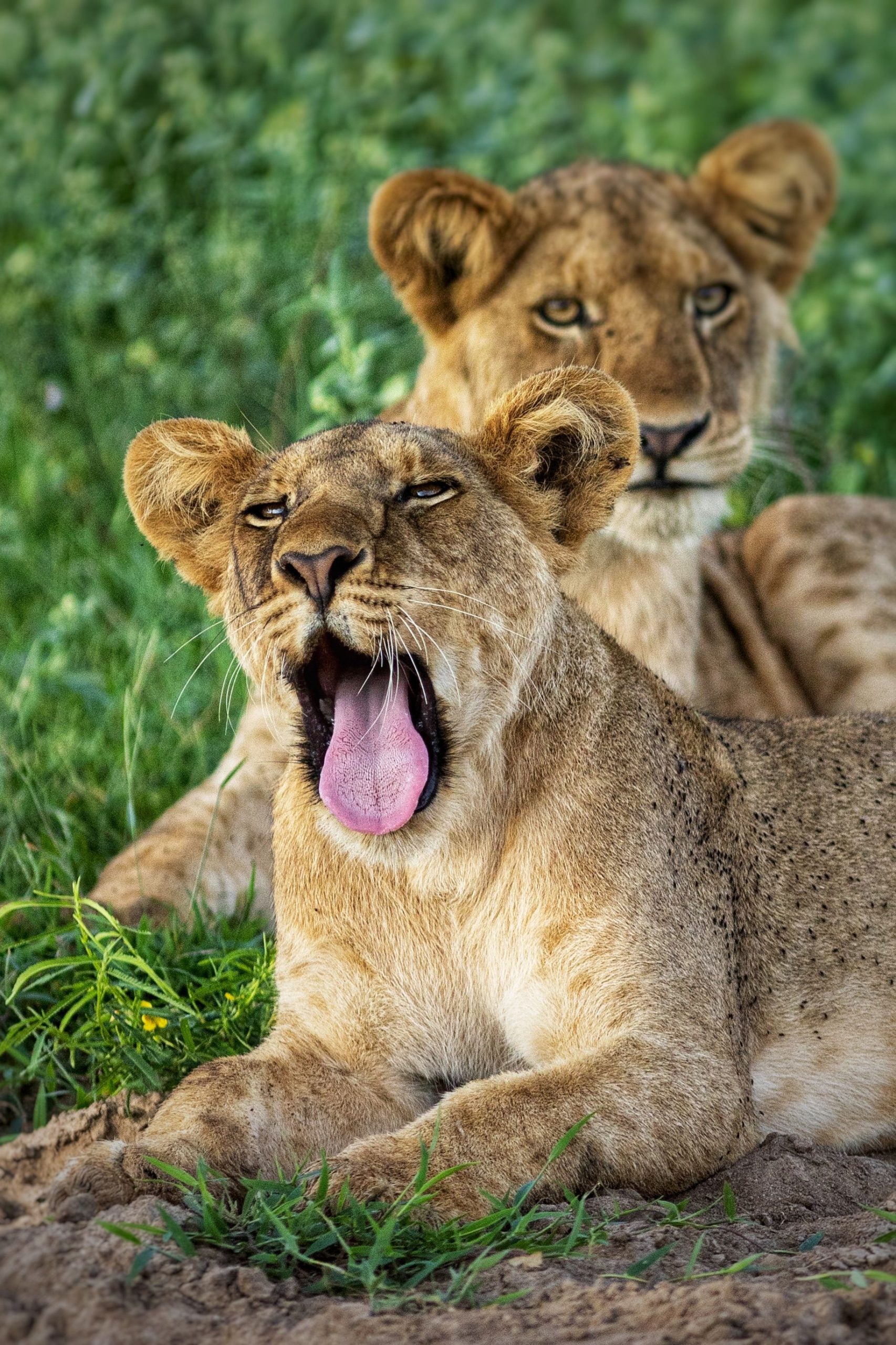
Lions are among the most exciting animals to encounter during an African safari. Their strength, social behavior, and commanding appearance attract travelers from around the world. In Uganda, visitors can search for lions in several protected areas, including Murchison Falls National Park, Queen Elizabeth National Park, and Kidepo Valley National Park.
Murchison Falls offers extensive savannah plains where lions hunt Uganda kob and other antelopes. Early morning game drives can provide opportunities to observe lions moving across open grassland. Sometimes, visitors encounter a pride resting under a tree. On other occasions, a male lion may patrol its territory or call across the plains.
Queen Elizabeth National Park offers another remarkable lion experience. Its Ishasha sector is famous for lions that sometimes climb trees. Visitors may observe these big cats resting on branches, particularly during warm weather. However, tree-climbing behavior is not guaranteed on every visit.
Peku Adventures recommends allowing enough time for several game drives. Lions move freely through large habitats, so patience is important. An experienced guide can interpret tracks, alarm calls, and other signs that may indicate their presence.
Where Can I See Leopards in Uganda?

Leopards are beautiful, secretive predators. Their spotted coats provide excellent camouflage in forests, grasslands, and rocky areas. Unlike lions, leopards generally prefer solitary lives and often avoid other large predators. As a result, spotting one can become a special highlight of a Uganda safari.
Murchison Falls National Park provides opportunities to see leopards in woodland and savannah habitats. Queen Elizabeth National Park also supports leopard populations, particularly around suitable hunting areas. However, these animals can disappear quickly into vegetation. Even experienced guides cannot promise a sighting.
The best opportunities often occur during approved early morning or late afternoon game drives, when leopards may become more active. Your safari guide will search carefully around tree branches, bushes, and animal trails. Sometimes, a leopard may rest on a branch while watching the surrounding landscape.
Travelers should carry binoculars and a camera with a suitable zoom lens. These allow closer observation without disturbing wildlife. With patience and favorable conditions, you may enjoy one of Africa’s most memorable predator encounters.
Where Can I See Elephants in Uganda?

African elephants are the largest living land animals. Their powerful bodies, long trunks, and impressive tusks make them unforgettable safari subjects. However, their intelligence and family relationships are equally fascinating. Elephant herds often include females and young calves, while mature bulls may travel alone or in smaller groups.
Murchison Falls National Park offers opportunities to observe elephants across its savannah and woodland habitats. You might encounter a herd crossing a track, feeding on vegetation, or approaching the Nile River. During a boat safari, visitors sometimes watch elephants drinking or cooling themselves near the riverbanks.
Queen Elizabeth National Park also provides excellent elephant viewing. The Kazinga Channel attracts many animals, especially during dry periods. Elephants may appear along the shores while hippos remain partly submerged in the water.
Watching elephants from a respectful distance allows visitors to appreciate their natural behavior. Your guide will choose safe viewing positions and avoid approaching animals too closely. This is particularly important when young calves are present.
Where Can I See African Buffaloes in Uganda?

African buffaloes are powerful herbivores that often travel in large herds. Their heavy bodies, curved horns, and alert expressions make them impressive animals to photograph. Although buffaloes may appear calm while grazing, they can become dangerous when threatened. Therefore, visitors should always remain inside their safari vehicles unless guides confirm that it is safe to leave.
Murchison Falls National Park supports many buffaloes across its open plains. Travelers may observe herds grazing alongside Uganda kob, waterbucks, and other animals. During the dry season, buffaloes often gather near water sources. This creates opportunities for watching interactions between different wildlife species.
Queen Elizabeth National Park is another excellent place to see buffaloes. Large herds frequently appear near the Kazinga Channel and throughout the Kasenyi plains. Some animals rest in muddy areas, while others move slowly between feeding grounds.
A guided boat trip adds a different perspective. From the water, visitors may observe buffaloes standing near riverbanks with birds feeding nearby. Such scenes demonstrate the diversity of Uganda’s ecosystems.
Where Can I See Rhinoceroses in Uganda?

Rhinoceroses complete Africa’s Big Five. Uganda’s rhino conservation history is especially important because the country’s native rhino populations disappeared after years of poaching and insecurity. Conservation projects later brought southern white rhinos back to Uganda.
Ziwa Rhino Sanctuary, located in Nakasongola District, provides an established guided rhino-tracking experience for visitors. The sanctuary lies along the route between Kampala and Murchison Falls National Park. This makes it a convenient addition to a Big Five safari.
At Ziwa, trained rangers lead visitors on foot through areas where rhinoceroses live. The activity usually involves walking across grassland and woodland while following the ranger’s instructions. Once the group locates the animals, guests can observe their behavior from a controlled distance.
Unlike a traditional game drive, rhino tracking allows visitors to experience the landscape on foot. You may hear birds calling, notice tracks in the soil, or watch a rhinoceros grazing quietly. Rangers explain rhino behavior, conservation work, and the challenges involved in protecting these threatened animals.
Visitors should wear comfortable walking shoes and follow every safety instruction. Rhinoceroses are extremely powerful animals, so approaching them without professional guidance is unsafe.
Can I See Mountain Gorillas on the Same Safari?

Yes. After exploring Uganda’s savannah parks, travelers can continue southwest to Bwindi Impenetrable National Park for gorilla trekking. This creates an exceptional safari combination that includes two very different wildlife experiences.
Traditional Big Five safaris normally involve traveling through grasslands in a specially designed vehicle. Gorilla trekking takes place on foot within a tropical rainforest. Instead of searching vast plains, visitors follow experienced rangers through thick vegetation and mountainous terrain.
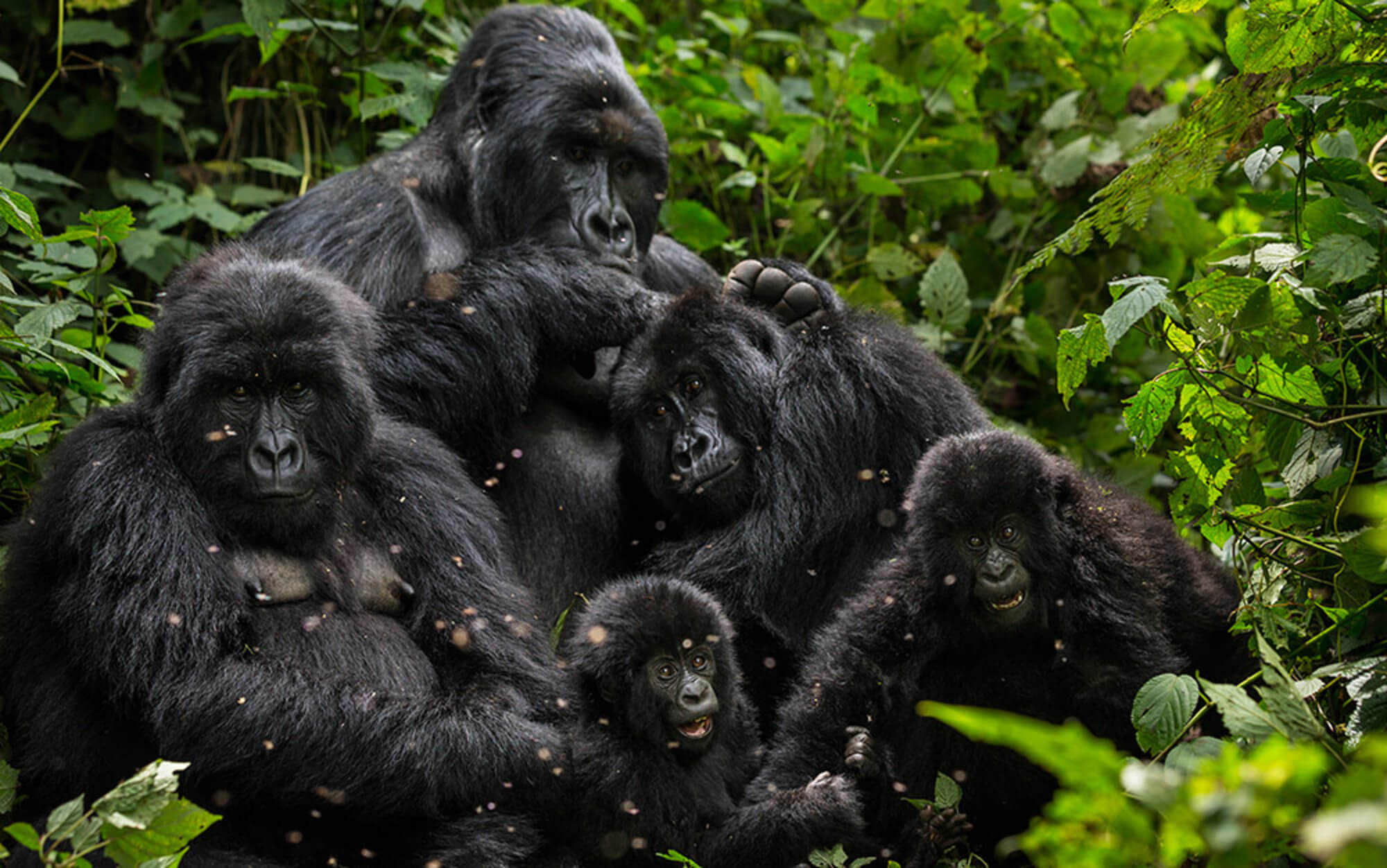
Mountain gorillas live in family groups led by dominant silverbacks. These groups include females, juveniles, and younger gorillas. Watching their interactions can be remarkable. You may observe a silverback resting, juveniles playing, or a mother caring for her infant.
Uganda Wildlife Authority offers gorilla trekking in Bwindi Impenetrable National Park and Mgahinga Gorilla National Park. Trekkers normally receive up to one hour with a habituated gorilla family after locating it. The walk itself may take several hours, depending on the group’s location.
For travelers who want a Big Five safari and gorilla trekking, Bwindi is often the most convenient forest destination when combined with Queen Elizabeth National Park.
Why Bwindi Impenetrable National Park Is Special
Bwindi Impenetrable National Park is one of Uganda’s most important conservation areas. Its ancient rainforest covers steep hills, deep valleys, and densely vegetated slopes. The forest supports mountain gorillas, birds, butterflies, monkeys, and many other species.
Unlike open savannah parks, Bwindi offers a sense of adventure through its rugged terrain. Mist can settle over the hills during the early morning, while sunlight filters through large trees. The forest feels peaceful, but it also contains constant signs of life. Birds call from branches, insects move through vegetation, and leaves rustle as animals travel nearby.
Bwindi has four main gorilla trekking sectors: Buhoma, Ruhija, Rushaga, and Nkuringo. Each sector provides access to habituated gorilla families and accommodation options. However, travelers should stay near the sector assigned to their trekking permit. The sectors are separated by considerable travel distances.
Peku Adventures helps guests plan accommodation around their confirmed trekking location. This avoids unnecessary early morning transfers and allows enough time to prepare for the activity.
How Gorilla Trekking Works in Uganda
Gorilla trekking normally begins with an early morning briefing at the relevant park headquarters. Rangers explain the rules, describe the trekking process, and organize visitors into small groups. They also discuss forest conditions and provide safety instructions.
After the briefing, guests travel with their assigned guides into the forest. The trekking route varies according to the gorillas’ movements. Some families remain relatively close to accessible trails, while others move deeper into the hills. Consequently, visitors should prepare for an unpredictable walking distance.
During the trek, guides may explain different plants, animal tracks, and forest features. The experience becomes an opportunity to learn about Bwindi’s ecosystem, rather than simply a walk to see gorillas.
When trackers locate the assigned family, visitors follow the guide’s directions carefully. The atmosphere often becomes quiet as guests watch the gorillas feeding, resting, or interacting. The permitted viewing period for a standard trek is up to one hour. Flash photography is prohibited, and visitors must maintain the distance specified by park rangers.
Afterward, visitors return along the forest trails. The entire experience may require moderate physical effort, especially when the ground is wet or steep. Nevertheless, porters and appropriate planning can make the activity more manageable for many travelers.
Why Combine Big Five Safaris and Gorilla Trekking in Uganda?
Combining these experiences allows travelers to discover different environments during a single holiday. The savannah parks provide wide landscapes, grazing animals, predators, and exciting game drives. Bwindi offers a forest adventure where visitors can observe mountain gorillas at close but carefully controlled viewing distances.
Another advantage is the diversity of activities. In Murchison Falls National Park, you can enjoy game drives, boat safaris, and spectacular waterfalls. Ziwa Rhino Sanctuary introduces a guided walking experience. Queen Elizabeth National Park provides additional wildlife viewing and the opportunity to search for tree-climbing lions. Bwindi then completes the journey with gorilla trekking.
Uganda also offers beautiful scenery between its protected areas. Travelers pass tea plantations, traditional villages, farmland, crater lakes, rolling hills, and forested mountains. These changing landscapes make road transfers interesting parts of the overall safari experience.
A combined safari can also be more practical than booking separate wildlife and gorilla holidays. Transport, accommodation, activities, and guiding services can follow one coordinated itinerary. Peku Adventures can organize the trip according to available time, travel preferences, and accommodation budgets.
10-Day Uganda Big Five and Gorilla Trekking Safari Itinerary
Suggested safari package by Peku Adventures
Duration
10 days / 9 nights
Starting point
Entebbe, Uganda
Safari highlights
Big Five and gorillas
Accommodation
Midrange or luxury
This itinerary combines wildlife encounters with a comfortable journey across western Uganda. It includes rhino tracking, game drives, boat cruises, scenic landscapes, and a mountain gorilla trekking experience.
Safari itinerary overview
| Day | Destination | Main activity |
|---|---|---|
| 1 | Entebbe | Arrival and relaxation |
| 2 | Ziwa / Murchison Falls | Rhino tracking and transfer |
| 3 | Murchison Falls | Game drive and Nile boat safari |
| 4 | Murchison Falls | Wildlife safari and waterfall visit |
| 5 | Hoima / Fort Portal | Scenic transfer and relaxation |
| 6 | Queen Elizabeth | Transfer and evening game drive |
| 7 | Queen Elizabeth | Kasenyi game drive and Kazinga boat safari |
| 8 | Ishasha / Bwindi | Tree-climbing lion search and transfer |
| 9 | Bwindi | Mountain gorilla trekking |
| 10 | Entebbe | Return journey or optional flight |
Day 1: Arrival at Entebbe International Airport

Your Uganda Big Five and gorilla trekking adventure begins when you arrive at Entebbe International Airport. A representative from Peku Adventures will welcome you and introduce you to your professional safari guide. After meeting your guide, you will transfer to your accommodation in Entebbe.
Entebbe lies along the shores of Lake Victoria, one of Africa’s largest freshwater lakes. Its tropical atmosphere, green surroundings, and lakeside setting make it a pleasant starting point. Depending on your arrival time, you may spend the afternoon relaxing at your hotel or enjoying views of the lake.
Your guide will explain the planned itinerary and discuss the main activities. This is a good opportunity to ask questions about game drives, gorilla trekking, photography, and travel arrangements. You can also confirm any special dietary requirements or preferences before the longer journey begins.
Travelers arriving early may arrange an optional visit to the Entebbe Botanical Gardens or another nearby attraction. However, visitors who have completed a long international flight may prefer to rest. A comfortable first evening helps prepare you for the exciting days ahead.
Dinner and overnight will be at your selected hotel.
Suggested accommodation: Best Western Premier Garden Hotel Entebbe or a similar property.
Main highlight: Arrival in Uganda and relaxation near Lake Victoria.
Day 2: Rhino Tracking at Ziwa and Transfer to Murchison Falls National Park

After breakfast, your Peku Adventures guide will collect you for the journey north toward Murchison Falls National Park. The drive passes through Kampala’s outskirts, rural settlements, trading centers, and agricultural landscapes. Along the way, you will begin discovering Uganda beyond its main urban areas.
Your first major stop will be Ziwa Rhino Sanctuary in Nakasongola District. Here, you will participate in a guided rhino-tracking experience led by trained sanctuary rangers. The activity provides an excellent introduction to Uganda’s conservation efforts and offers an opportunity to observe the fifth member of Africa’s Big Five.
Before the walk, rangers will explain important safety procedures. You will then follow them through suitable rhino habitat. Depending on where the animals are feeding or resting, the walk may take around one to two hours. Along the way, you may observe birds, vegetation, and other wildlife that inhabit the sanctuary.
Seeing a rhinoceros on foot is a very different experience from observing animals through a safari vehicle window. The surrounding sounds, open landscape, and careful approach create a memorable encounter. Rangers will also explain how conservation organizations protect rhinos and support their long-term recovery.
After rhino tracking, enjoy lunch and continue toward Murchison Falls National Park. The landscape gradually changes as you approach one of Uganda’s largest and most celebrated national parks. Depending on your arrival time and lodge location, you may enjoy scenic views before checking in.
Murchison Falls National Park is famous for its wildlife and the dramatic waterfall where the Nile squeezes through a narrow rocky gorge. During the next two days, you will explore its plains and waterways in search of lions, elephants, buffaloes, leopards, giraffes, and many other animals.
Enjoy dinner and relax at your lodge.
Suggested accommodation: Pakuba Safari Lodge, Murchison River Lodge, or a similar property.
Main highlights: Rhino tracking, scenic road journey, and arrival at Murchison Falls.
Day 3: Morning Game Drive and Afternoon Nile Boat Safari

Wake up early for your first major game drive in Murchison Falls National Park. After a light breakfast, your safari guide will take you into the park’s wildlife-rich plains. Morning drives are particularly rewarding because temperatures are cooler, and many animals remain active before the heat increases.
The landscape contains open grassland, acacia woodland, and broad views toward the Nile. As you explore, your guide will search for lions, elephants, buffaloes, giraffes, Uganda kob, hartebeests, and other mammals. Lions sometimes rest beside tracks or beneath shady trees. Elephants may feed in groups, while giraffes browse from tall branches.
Leopards require greater patience because they blend into the vegetation. Your guide may look carefully through trees and thickets for signs of these elusive predators. Even without a leopard sighting, the game drive offers excellent opportunities to experience Uganda’s savannah ecosystems.
Murchison Falls is also a rewarding destination for birdwatchers. The park supports numerous species, including birds of prey, waterbirds, and colorful savannah birds. Travelers interested in bird photography should carry binoculars and a suitable zoom lens.
Following the morning game drive, return to the lodge for lunch and relaxation. In the afternoon, prepare for one of the park’s signature experiences: a boat safari along the Victoria Nile toward the base of Murchison Falls.

The boat journey provides a completely different perspective on the park. As you travel along the river, look for hippos resting in groups, Nile crocodiles on the banks, and waterbirds hunting near the shoreline. Buffaloes, elephants, and antelopes may also appear near the river.
The scenery becomes increasingly dramatic as the boat approaches Murchison Falls. The Nile forces its way through a narrow opening in the rocks before plunging into the river below. The sound of rushing water and rising spray creates an unforgettable atmosphere.
Your guide will explain the natural history of the waterfall and identify animals encountered during the cruise. You will also have opportunities to photograph the river scenery from safe positions on the boat.
After completing the boat trip, return to your lodge for dinner. Spend the evening relaxing and sharing photographs from your first full day of wildlife viewing.
Suggested accommodation: Pakuba Safari Lodge or Murchison River Lodge.
Main highlights: Lion and leopard search, elephant viewing, giraffes, Nile boat cruise, hippos, and crocodiles.
Day 4: Second Game Drive and Visit to the Top of Murchison Falls

Today offers another opportunity to explore the natural beauty of Murchison Falls National Park. After breakfast, depart for an additional game drive through selected wildlife areas. Visiting different sections of the park improves your chances of encountering animals that you may not have seen the previous day.
Your guide will choose suitable routes according to road conditions, recent wildlife activity, and park regulations. The morning may bring opportunities to observe elephants feeding, buffalo herds moving across the plains, or antelopes gathering near water. With favorable conditions, you might also encounter a lion pride or an elusive leopard.
The additional game drive is especially valuable for wildlife photographers. Natural light changes throughout the day, creating different photographic opportunities. Early morning sunlight may illuminate an elephant herd, while a giraffe standing among trees can create a beautiful landscape photograph.
After the game drive, enjoy lunch and continue toward the top of Murchison Falls. The viewpoint provides a remarkable opportunity to observe the Nile as it pushes through a rocky gorge. Visitors can appreciate the force of the water and the dramatic landscape from designated viewing locations.

Your guide will explain how the river shapes the surrounding rocks and landscape. The viewpoint also offers excellent photographic opportunities, especially when sunlight interacts with the spray.
After exploring the falls, return to your lodge. You can spend the remainder of the day relaxing, reviewing photographs, or enjoying the surrounding nature.
By this stage, your safari may have already provided sightings of several Big Five animals. However, each game drive brings new possibilities because wildlife movements constantly change.
Suggested accommodation: Pakuba Safari Lodge, Murchison River Lodge, or a comparable lodge.
Main highlights: Second wildlife game drive, predator search, and views of Murchison Falls.
Day 5: Scenic Transfer Toward Fort Portal

After breakfast, check out of your lodge and begin the journey toward western Uganda. Today’s drive connects the northern savannah landscape with the greener highlands around Fort Portal. It is primarily a travel day, allowing you to enjoy a gradual change in scenery.
The journey passes through rural communities, farmland, trading centers, and areas of forest or grassland. Along the way, you will see how different environments shape daily life in Uganda. Your guide can explain agricultural activities, local crops, regional traditions, and the country’s diverse landscapes.
As you approach Fort Portal, the scenery becomes more mountainous and green. Tea plantations cover parts of the surrounding hills, creating attractive patterns across the landscape. Depending on the chosen route and arrival time, you may stop at a viewpoint or enjoy a short break near the plantations.
Fort Portal is known for its pleasant highland setting and access to several beautiful natural attractions. It also serves as a useful overnight stop when traveling from Murchison Falls toward Queen Elizabeth National Park.
After arriving, check into your hotel and enjoy a relaxed afternoon. Travelers who prefer additional activities may request a short cultural visit or scenic excursion if time permits. However, resting is often the best choice after the long journey.
Dinner will be served at your accommodation. The evening gives you time to prepare for the next stage of your Big Five safari.
Suggested accommodation: Mountains of the Moon Hotel or a similar property in Fort Portal.
Main highlights: Western Uganda landscapes, tea plantations, and relaxation.
Day 6: Transfer to Queen Elizabeth National Park and Evening Game Drive

After breakfast, leave Fort Portal and continue south toward Queen Elizabeth National Park. The journey reveals beautiful countryside, fertile farmland, and views of the Rwenzori region when weather conditions permit.
Queen Elizabeth National Park is one of Uganda’s best-known wildlife destinations. Its diverse habitats include grassland, woodland, wetlands, crater lakes, and the famous Kazinga Channel. These environments support elephants, lions, buffaloes, hippos, antelopes, and many bird species.
Upon arrival, check into your selected safari lodge and enjoy lunch. Depending on the travel schedule, you will then head into the park for an evening game drive.
Late afternoon offers attractive lighting for wildlife photography. Animals may begin moving as temperatures become cooler. Your guide will explore suitable tracks, looking for lions, elephants, buffaloes, Uganda kob, and other species.
The open plains can provide beautiful landscape views, especially when antelopes graze against a backdrop of distant hills. Occasionally, elephants appear near the roadside, while buffaloes move through the grass in small groups or larger herds.
Queen Elizabeth also offers the possibility of leopard sightings. These animals remain difficult to predict, but an experienced guide will watch for signs of their presence.
As the sun moves toward the horizon, enjoy the peaceful atmosphere of the savannah before returning to your lodge.
Suggested accommodation: Buffalo Safari Lodge, Enganzi Game Lodge, or another suitable property.
Main highlights: Scenic drive, arrival at Queen Elizabeth National Park, and evening game viewing.
Day 7: Kasenyi Game Drive and Kazinga Channel Boat Safari

Begin the day with an early breakfast before entering the Kasenyi plains for a morning game drive. This area offers some of Queen Elizabeth National Park’s best opportunities for viewing savannah wildlife.
Kasenyi is particularly well known for its Uganda kob populations, which attract predators such as lions. During the game drive, your guide will search for prides resting among the grass or moving through suitable hunting areas.
The region also supports buffaloes, elephants, warthogs, and several antelope species. Birdwatchers may notice birds of prey scanning the grassland or smaller species perched on shrubs.
Each wildlife encounter brings an opportunity to learn about animal behavior. Your guide may explain how lions hunt, why antelopes gather in herds, or how different species respond to predators.
After the game drive, return to your lodge for lunch and a short rest. In the afternoon, continue to the Kazinga Channel for a boat safari
During the cruise, your guide will point out crocodiles, waterbirds, and mammals near the riverbanks. Elephants may approach the water to drink, while hippos occasionally lift their heads above the surface.
The boat safari offers excellent photographic opportunities because visitors can observe animals from a different angle. It also provides a relaxing contrast to the morning game drive.
After returning to the landing area, your guide will transfer you back to the lodge. Enjoy dinner and prepare for the journey toward Ishasha and Bwindi the following day.
Suggested accommodation: Buffalo Safari Lodge or a comparable lodge.
Main highlights: Lion search, Kasenyi plains, elephants, buffaloes, hippos, and Kazinga Channel boat safari.
Day 8: Search for Tree-Climbing Lions in Ishasha and Transfer to Bwindi

After breakfast, travel toward the southern Ishasha sector of Queen Elizabeth National Park. This area is famous for its tree-climbing lions, which sometimes rest on large branches above the grassland.
The Ishasha landscape includes open plains, woodland, and large trees. During your game drive, your guide will search for lions around suitable resting areas. Some lions may be sleeping in trees, while others remain hidden in the grass or move across the plains.
Tree-climbing lions are an exciting attraction because this behavior provides unusual photographic opportunities. However, sightings depend on the animals’ locations and daily activities. Visitors should approach the experience with patience and realistic expectations.
Ishasha also supports other wildlife, including buffaloes, elephants, Uganda kob, and various bird species. Even when lions remain out of sight, the landscape offers enjoyable wildlife viewing.
After the morning safari, continue toward Bwindi Impenetrable National Park. The scenery gradually changes from open savannah to green hills, cultivated slopes, and forested mountains.

As you approach Bwindi, the air may become cooler. Dense vegetation covers the hills, and mist sometimes drifts through the valleys. The change in landscape creates a sense of entering a different natural world.
Arrive at your lodge in the sector specified on your gorilla trekking permit. Your guide will help you prepare for the following morning by checking your walking boots, clothing, water, packed lunch, and other essentials.
After dinner, relax and enjoy the forest atmosphere. Tomorrow promises one of the most remarkable wildlife encounters in Africa.
Suggested accommodation: Gorilla Leisure Lodge, Ichumbi Gorilla Lodge, Buhoma Haven Lodge, or another property near your confirmed trekking sector.
Main highlights: Tree-climbing lion search, scenic transfer, and arrival in Bwindi.
Day 9: Mountain Gorilla Trekking in Bwindi Impenetrable National Park

Today is one of the most anticipated days of your Uganda safari. After an early breakfast, prepare your trekking equipment and travel to the designated park headquarters.
At the briefing point, Uganda Wildlife Authority rangers will welcome visitors and explain the gorilla trekking rules. They will discuss the forest environment, expected conduct around gorillas, and the importance of protecting these endangered primates.
Your assigned group will then begin the trek with professional guides and trackers. The walk leads through Bwindi’s dense tropical forest, where narrow trails cross hillsides and valleys.
The terrain can be challenging in some areas. Depending on the location of the assigned gorilla family, the trek may involve climbing slopes, crossing muddy sections, or navigating vegetation. However, the experience also provides time to appreciate the forest’s natural beauty.
Along the way, you may hear birds calling from the canopy or notice monkeys moving between branches. Guides may identify plants and explain how the forest supports its wildlife.
Eventually, the trackers will locate your assigned gorilla family. Your guide will help the group approach calmly while maintaining the required viewing distance.

Seeing mountain gorillas in their natural habitat is an extraordinary experience. A silverback may sit quietly while younger gorillas play nearby. Mothers may groom their young, while juveniles explore the surrounding vegetation.
The family members communicate through body movements, sounds, and expressions. Watching these interactions reveals the close relationships within gorilla groups.
During the permitted observation period, visitors can take photographs without flash. Guides ensure that everyone follows the rules and avoids disturbing the animals. The standard viewing time is limited to one hour after reaching the gorillas.
Although an hour may seem short, the experience often leaves a lasting impression. Watching wild mountain gorillas within their forest home is very different from seeing them in photographs or documentaries.
After the encounter, begin the return trek toward the starting point. Depending on the route, this may involve further walking through the forest. Once you complete the trek, you may receive a trekking certificate.
Return to your lodge for lunch or an afternoon meal, depending on the trekking duration. The remainder of the day offers time to relax, enjoy your photographs, and reflect on the experience.
Visitors may also arrange an optional community activity when time and energy permit. Such experiences can provide insights into local culture and conservation-related livelihoods.
Enjoy your final evening in Bwindi, surrounded by the peaceful atmosphere of the rainforest.
Suggested accommodation: Gorilla Leisure Lodge, Ichumbi Gorilla Lodge, or another appropriate lodge near your trekking headquarters.
Main highlight: Mountain gorilla trekking and up to one hour observing a habituated gorilla family.
Day 10: Return to Entebbe and End of the Safari

After breakfast, check out of your lodge and begin the journey back to Entebbe. The road passes through the beautiful landscapes of southwestern Uganda, including green hills, villages, farmland, and busy trading centers.
This is a long driving day, so an early departure is important. Your guide will schedule rest stops and a lunch break according to the chosen route.
Along the way, you can reflect on the wildlife encounters that made your holiday special. During the previous days, you explored savannah landscapes, searched for Africa’s Big Five, enjoyed boat safaris, observed rhinoceroses, and trekked through a mountain rainforest.
The scenery on the return journey provides another opportunity to appreciate Uganda’s geographical diversity. Areas of steep hills gradually give way to flatter landscapes as you travel toward central Uganda.
Depending on your route, you may stop near the equator crossing for photographs and refreshments. Your guide will then continue toward Entebbe.
Because the road journey from Bwindi is lengthy and traffic can be unpredictable, Peku Adventures recommends arranging a late departure flight, an additional overnight stay, or a suitable domestic flight connection.
For travelers who prefer to avoid the long road transfer, a domestic flight from an appropriate southwestern Uganda airstrip to Entebbe may be available. This option requires booking and coordination with the lodge and trekking sector.
Upon arrival, your guide will transfer you to the airport or your chosen hotel. Your memorable Big Five and gorilla trekking safari will come to an end.
Main highlights: Scenic countryside, return to Entebbe, and departure.
Accommodation Options for a Big Five and Gorilla Trekking Safari
Uganda offers a wide variety of accommodation, from comfortable midrange safari lodges to exclusive luxury properties. Choosing suitable accommodation improves the overall experience, especially when the itinerary includes long drives and early morning activities.
Some travelers prefer lodges overlooking rivers or savannah plains. Others enjoy forest properties with views of Bwindi’s green hills. The best choice depends on personal preferences, budget, travel dates, and room availability.
| Destination | Suggested midrange accommodation | Suggested upscale accommodation |
|---|---|---|
| Entebbe | 2 Friends Beach Hotel | Best Western Premier Garden Hotel |
| Murchison Falls | Pakuba Safari Lodge | Nile Safari Lodge |
| Fort Portal | Mountains of the Moon Hotel | Kyaninga Lodge |
| Queen Elizabeth | Buffalo Safari Lodge | Mweya Safari Lodge |
| Bwindi | Ichumbi Gorilla Lodge | Gorilla Leisure Lodge or Sanctuary Gorilla Forest Camp |
Accommodation examples are subject to confirmation. In Bwindi, the correct location matters more than the lodge name. Peku Adventures selects properties near the trekking sector assigned by the park authorities.
How Much Does a Big Five and Gorilla Trekking Safari Cost in Uganda?
The cost of a combined Big Five and gorilla trekking safari depends on the duration, accommodation standard, travel season, number of guests, and activities included. A private safari for two travelers may cost more per person than a larger group tour because guests share vehicle and guiding expenses.
Gorilla trekking is one of the main costs to consider. Every eligible visitor needs a permit for the assigned trekking date. The price depends on the visitor’s residency category and the rates established by Uganda Wildlife Authority.
Safari packages also include other important expenses. These may involve national park entrance fees, professional guiding, a safari vehicle, accommodation, meals, fuel, boat cruises, and rhino tracking.
Rather than presenting one price for every traveler, Peku Adventures can prepare a personalized quotation based on confirmed dates and accommodation preferences.
Estimated safari budget
| Travel category | Indicative 10-day cost per person |
|---|---|
| Budget safari | US$2,800–3,500 |
| Midrange safari | US$3,500–5,000 |
| Luxury safari | US$5,000–8,000+ |
These are broad planning estimates for two people sharing, not live quotations. They assume a standard gorilla permit for a foreign nonresident and can change with season, exchange rates, lodge choice, and park tariffs.
The published 2024–2026 foreign nonresident gorilla permit rate was US$800. As the tariff period has ended, travelers should confirm the currently applicable fee before booking. Peku Adventures can arrange a quotation using the latest available rates.
What Is Included in a Uganda Big Five and Gorilla Trekking Safari?
A well-organized safari package should explain exactly what guests receive. Clear inclusions help visitors compare different options and understand the overall cost.
| Usually included in a quoted package | Usually excluded unless specified |
|---|---|
| Airport arrival transfer | International flights |
| Private 4×4 safari vehicle | Visa fees |
| Professional English-speaking guide | Travel insurance |
| Selected lodge accommodation | Personal shopping |
| Meals according to the itinerary | Alcoholic and premium drinks |
| Scheduled game drives | Tips and gratuities |
| National park fees | Optional activities |
| Gorilla permit, when stated | Additional nights or flights |
| Scheduled boat cruises | Expenses outside the itinerary |
| Ziwa rhino tracking | Personal equipment |
The final inclusion list should always appear on the confirmed quotation. This helps avoid misunderstandings before travel.
What Is the Best Time to See the Big Five and Trek Gorillas in Uganda?

Uganda welcomes safari travelers throughout the year. However, weather conditions can influence game viewing, road travel, and gorilla trekking. Understanding the seasonal differences helps visitors choose the most suitable period.
The relatively drier months often make wildlife viewing easier because vegetation can become less dense in some savannah areas. Animals may also concentrate around reliable water sources. In Bwindi, drier conditions can make forest trails more manageable, although rain remains possible at any time.
The wetter months bring lush vegetation, beautiful landscapes, and attractive photographic conditions. Birdwatching can be particularly rewarding, and some lodges may offer seasonal promotions. However, muddy roads and slippery forest trails can create additional challenges.
Uganda safari seasons
| Period | General conditions | Safari experience |
|---|---|---|
| January–February | Often relatively dry | Good for game drives and trekking |
| March–May | Generally wetter | Green scenery, muddy trails possible |
| June–September | Often relatively dry | Popular for wildlife safaris and gorillas |
| October–November | Generally wetter | Lush vegetation and varied birdlife |
| December | Transitional, often increasingly dry | Good festive-season safari opportunities |
The weather varies by region and year. For travelers interested in both experiences, June to September and January to February are often convenient periods.
Nevertheless, gorilla trekking operates throughout the year when conditions and park management allow. Booking early is important because permits are limited.
What Should I Pack for a Big Five and Gorilla Trekking Safari?
Packing for a combined safari requires preparation for two different environments. Savannah destinations can become hot during the day, while Bwindi’s mountainous rainforest may feel cooler and wetter. Therefore, visitors should carry lightweight clothing for game drives and protective hiking gear for gorilla trekking.
Recommended items include:
-
Comfortable long-sleeved shirts and long trousers
-
Sturdy, waterproof hiking boots
-
Lightweight rain jacket
-
Gardening-style gloves for forest trekking
-
Hat and sunglasses
-
Sunscreen and insect repellent
-
Reusable water bottle
-
Small waterproof daypack
-
Binoculars
-
Camera with spare batteries
-
Neutral-colored safari clothing
-
Personal medication and first-aid essentials
-
Travel documents and insurance information
Bright clothing is not necessary for game drives. Neutral shades such as brown, olive, beige, and khaki are generally practical.
For gorilla trekking, long trousers and protective clothing help reduce scratches from vegetation. Waterproof footwear is especially useful because forest paths can become muddy even outside the main rainy seasons.
A walking stick can provide additional stability on slippery slopes. Porters may also be available at trekking locations for guests who want help carrying their bags.
Is Gorilla Trekking Physically Difficult?
Gorilla trekking requires some physical effort, but the level of difficulty varies considerably. Some groups may find gorillas after a relatively short walk, while others need to travel farther through the forest.
The terrain may include steep hills, uneven ground, thick vegetation, and muddy paths. However, visitors do not need to be professional hikers to participate. Many travelers with moderate fitness complete the experience successfully.
Preparation makes a difference. Walking regularly before the safari can improve stamina. Comfortable footwear, suitable clothing, and adequate water also help.
People with mobility limitations should discuss their needs with Peku Adventures before reserving permits. At some trekking locations, special assistance and porter-supported arrangements may be possible, subject to availability, terrain, and park approval.
The best approach is to communicate any relevant physical limitations before travel. This allows the operator to discuss suitable arrangements with the appropriate park authorities.
Is It Safe to See the Big Five and Trek Gorillas in Uganda?
Uganda’s established safari activities use professional guides, trained rangers, and park regulations to manage visitor safety. Nevertheless, all wildlife encounters involve natural risks because the animals remain wild.
During game drives, visitors should remain inside their safari vehicles unless guides identify a safe place to exit. They should never approach elephants, lions, buffaloes, or other potentially dangerous animals on foot without authorization.
Rhino tracking takes place under the supervision of experienced sanctuary rangers. Visitors must follow instructions, remain with the group, and avoid sudden movements around the animals.
Gorilla trekking also follows strict rules. Guests should keep the required distance, avoid direct physical contact, and never attempt to touch or feed gorillas. If a gorilla approaches or displays threatening behavior, visitors must follow their ranger’s instructions rather than running away.
People who are ill should inform park staff before trekking because respiratory infections can threaten gorilla health. These precautions help protect both visitors and wildlife.
Peku Adventures encourages responsible safari behavior. Respecting animals, following guides, and maintaining appropriate distances are essential parts of an enjoyable trip.
Can Children Join a Big Five and Gorilla Trekking Safari?
Families can enjoy many wildlife experiences in Uganda, including selected game drives, boat cruises, and nature-based activities. However, gorilla trekking follows stricter age requirements than most general safari activities.
The minimum age for standard gorilla trekking in Uganda is 15 years. This requirement helps manage the physical demands of trekking and the risks associated with close wildlife encounters.
Families traveling with younger children can still enjoy a Uganda safari. Parents may arrange alternative activities while eligible family members participate in gorilla trekking. These might include supervised cultural experiences, suitable nature walks, or relaxation at the lodge.
Before confirming a family safari, parents should check minimum-age policies for specific activities and accommodation providers. Boat cruises and walking experiences may have separate rules.
Peku Adventures can help families design age-appropriate itineraries that allow everyone to enjoy Uganda’s beautiful natural environment.
Why Choose Uganda Instead of Booking Separate Big Five and Gorilla Safaris?
Uganda offers an unusual combination of ecosystems within one country. Visitors can explore large savannah parks, observe rhinoceroses at a sanctuary, and visit mountain gorillas in protected forests.
This diversity allows travelers to experience multiple forms of safari without crossing international borders. As a result, a combined Uganda itinerary can simplify transportation and reduce the need for additional regional flights.
Another advantage is the opportunity to discover activities beyond the Big Five. Uganda’s wildlife includes giraffes, zebras, chimpanzees, hippos, crocodiles, antelopes, and hundreds of bird species. These animals provide memorable encounters throughout the journey.
The scenery also adds variety. Murchison Falls offers the powerful Nile and expansive plains. Queen Elizabeth features crater lakes, grasslands, and the Kazinga Channel. Bwindi provides mist-covered mountains and dense rainforest.
Travelers therefore experience more than a checklist of famous animals. They discover several distinctive landscapes, each with its own conservation challenges, wildlife behavior, and cultural surroundings.
Frequently Asked Questions About the Big Five and Gorilla Trekking in Uganda
Can I see all the Big Five and gorillas in one Uganda safari?
Yes. Uganda offers opportunities to see lions, leopards, elephants, buffaloes, rhinoceroses, and mountain gorillas during one holiday. However, the animals live in different protected areas. A combined itinerary generally includes Ziwa Rhino Sanctuary, one or more savannah national parks, and Bwindi or Mgahinga. Wildlife sightings, particularly leopards, cannot be guaranteed.
How many days do I need for a Big Five and gorilla trekking safari?
A carefully arranged safari can combine these experiences in approximately seven to ten days. However, a ten-day itinerary offers more time for wildlife viewing and comfortable transfers. Guests who want chimpanzee trekking, Lake Bunyonyi, or additional cultural activities may prefer 12–14 days.
Can I see rhinos in Bwindi Impenetrable National Park?
No. Bwindi is famous for mountain gorillas and forest biodiversity, not rhinoceros tracking. Visitors seeking the established rhino experience in Uganda should plan a guided visit to Ziwa Rhino Sanctuary.
Can I see gorillas in Murchison Falls National Park?
No. Mountain gorilla trekking in Uganda takes place in Bwindi Impenetrable National Park and Mgahinga Gorilla National Park. Murchison Falls is primarily a savannah wildlife destination with game drives, boat safaris, and waterfall experiences.
Will I definitely see lions and leopards?
No safari can guarantee sightings of every wild animal. Lions are often easier to locate than leopards, but both move freely across their habitats. Multiple game drives, experienced guides, and sufficient time can improve your chances.
Can I do gorilla trekking and a Big Five safari in one day?
No. The destinations are too far apart for a meaningful combined experience in a single day. Gorilla trekking also takes several hours and requires an early-morning briefing. Planning separate days for gorilla trekking and savannah wildlife viewing provides a far better experience.
How far in advance should I book gorilla trekking?
Booking several months ahead is advisable, particularly during popular travel periods. Gorilla permits are limited, and suitable lodges may fill up early. Peku Adventures recommends confirming trekking permit availability before finalizing accommodation and international flights.
Can I photograph mountain gorillas?
Yes. Visitors can photograph gorillas during the permitted viewing period. However, flash photography is prohibited. Photographers should move carefully, maintain the distance directed by rangers, and avoid obstructing the animals.
Can I combine gorilla trekking with chimpanzee tracking?
Yes. Travelers with additional time can include Kibale National Park, one of Uganda’s best-known chimpanzee trekking destinations. This creates a broader primate and wildlife itinerary that combines chimpanzees, mountain gorillas, and savannah animals.
Can I add Lake Bunyonyi after gorilla trekking?
Yes. Lake Bunyonyi offers a peaceful setting for relaxation after a physically demanding gorilla trek. Visitors can enjoy scenic views, boat rides, and selected community experiences. Adding an overnight stay is a good option for travelers with extra time.
Why Book Your Uganda Big Five and Gorilla Trekking Safari With Peku Adventures?

Planning a combined Big Five and gorilla trekking holiday requires coordination between several destinations. Travelers need suitable transport, correctly located accommodation, national park arrangements, and gorilla permits.
Peku Adventures can help you organize these components into one personalized safari. Whether you prefer a private wildlife experience, a romantic holiday, or an adventurous family trip, the itinerary can reflect your travel goals.
Our suggested safaris focus on meaningful wildlife viewing, scenic destinations, and responsible tourism. We encourage visitors to respect protected environments, support conservation, and appreciate the communities surrounding Uganda’s national parks.
A well-designed safari should also allow time to enjoy each destination. Rather than rushing through several parks, travelers benefit from enough game drives and suitable rest periods. This is particularly important when combining lengthy road transfers with a demanding activity such as gorilla trekking.
With advance planning, you can enjoy the excitement of searching for lions on open grassland and the remarkable experience of watching mountain gorillas inside their rainforest home.
Conclusion: Experience Africa’s Big Five and Mountain Gorillas on One Safari
Uganda offers an exceptional opportunity to combine Africa’s Big Five with mountain gorilla trekking during one holiday. From the open savannah of Murchison Falls and Queen Elizabeth National Park to the protected rhinos at Ziwa, each destination reveals a different part of Uganda’s wildlife heritage.
The adventure becomes even more special when you enter Bwindi Impenetrable National Park. Here, experienced rangers guide visitors through a beautiful rainforest in search of mountain gorillas. Watching these remarkable primates in their natural home can become one of the most meaningful moments of an African safari.
A ten-day itinerary provides a rewarding balance between wildlife viewing, exploration, photography, and relaxation. Moreover, travelers can extend the journey to include chimpanzees, crater lakes, cultural experiences, and other national parks.
Book your Uganda Big Five and Gorilla Trekking Safari with Peku Adventures. Discover lions, leopards, elephants, buffaloes, rhinoceroses, and endangered mountain gorillas on one unforgettable African journey.
Contact Peku Adventures to request a personalized itinerary, confirm available gorilla permits, and receive a safari quotation based on your preferred travel dates