Gorilla Trekking from Germany: Complete Uganda Gorilla Safari Guide with Peku Adventures
For many travelers from Germany, seeing mountain gorillas in their natural habitat is one of those journeys that can remain on a travel wish list for years. Uganda turns that dream into a remarkable African adventure. Deep inside the green forests of southwestern Uganda, mountain gorillas live among ancient trees, bamboo, vines, ferns, and mist-covered hills. Travelers who make the journey from Germany can walk into these forests with trained guides and rangers before spending precious time observing a habituated gorilla family at close range.
Gorilla trekking in Uganda is much more than seeing gorillas. The journey introduces visitors to Uganda’s landscapes, communities, wildlife, food, forests, lakes, and welcoming tourism culture. A German traveler can begin the holiday in Entebbe, continue through rolling countryside and national parks, trek mountain gorillas in Bwindi Impenetrable National Park, search for golden monkeys in Mgahinga Gorilla National Park, track chimpanzees in Kibale, cruise along the Kazinga Channel, and enjoy traditional wildlife safaris in Queen Elizabeth or Murchison Falls National Park.
At Peku Adventures, we can organize a Uganda gorilla safari around the traveler’s available time, preferred accommodation category, interests, fitness level, and overall budget. Whether you are traveling from Berlin, Munich, Frankfurt, Hamburg, Cologne, Düsseldorf, Stuttgart, Bremen, Leipzig, Dresden, or another part of Germany, careful planning makes the journey to Uganda straightforward and rewarding.
This complete guide explains what German travelers should know about gorilla trekking in Uganda, including where to trek, how the experience works, when to travel, what to pack, how physically demanding the trek can be, how permits work, accommodation choices, transportation, safari combinations, photography, responsible tourism, and suggested itineraries.
Why Travel from Germany to Uganda for Gorilla Trekking?
Uganda offers German travelers an opportunity to experience Africa beyond a conventional wildlife safari. Lions, elephants, giraffes, buffaloes, hippos, zebras, and antelopes are impressive, but meeting mountain gorillas adds an entirely different dimension to the journey. Instead of observing animals mainly from a safari vehicle, gorilla trekking requires visitors to enter the forest on foot.
The experience begins with anticipation. After a morning briefing, trekkers enter the forest with professional guides and rangers. Depending on where the gorillas have moved, the search can involve climbing forested slopes, following narrow trails, crossing small streams, and walking through thick vegetation. Then the guides may suddenly signal that the gorillas are close.
The atmosphere changes immediately.
A silverback may be resting only a short distance away. A female could be feeding quietly while a youngster climbs through the vegetation. Juveniles sometimes play with one another while other members of the family remain almost completely relaxed.
Visitors do not watch through a fence or from inside a vehicle. They are standing inside the gorillas’ forest environment under carefully managed tourism rules.
That intimacy makes gorilla trekking different from almost every other wildlife experience.
Uganda also makes it possible to combine gorilla trekking with several ecosystems during one holiday. German travelers who have enough time can add savannah wildlife, chimpanzees, wetlands, mountains, lakes, cultural activities, and birdwatching without leaving the country.
Where Can You See Mountain Gorillas in Uganda?
Uganda’s principal gorilla trekking destinations are Bwindi Impenetrable National Park and Mgahinga Gorilla National Park. Both lie in southwestern Uganda near the borders with Rwanda and the Democratic Republic of Congo.
Although both destinations offer mountain gorilla encounters, they provide somewhat different landscapes and safari experiences.
Bwindi Impenetrable National Park
Bwindi is the destination most strongly associated with gorilla trekking in Uganda. The forest covers steep hills and valleys filled with dense vegetation. Its name gives visitors a good idea of the environment they are entering: this is a thick, old tropical forest where vines, trees, shrubs, and undergrowth create a dramatic landscape.
Different trekking sectors operate around Bwindi. These include Buhoma, Ruhija, Rushaga, and Nkuringo. Each area has its own accommodation choices, road access, scenery, trekking routes, and habituated gorilla families.
Selecting the correct sector matters because Bwindi is not one small entrance where every trek begins. Travelers should normally stay near the sector connected with their permit. Booking accommodation far from the assigned starting point can result in an unnecessarily difficult early-morning transfer.
For this reason, Peku Adventures plans the permit, lodge, transportation, and trekking sector together rather than treating them as separate arrangements.
Buhoma Sector
Buhoma lies on the northern side of Bwindi and has a long history of gorilla tourism. The area offers a good range of lodges and forest activities. It can also work particularly well in itineraries connecting Bwindi with the Ishasha sector of Queen Elizabeth National Park.
The surroundings are beautifully green, and several accommodation options overlook the forest. Travelers who want to combine gorillas with a broader safari often find this side of Bwindi convenient depending on the rest of the route.
Ruhija Sector
Ruhija lies in the eastern part of Bwindi. The area is known for its highland scenery and excellent birding possibilities. Its elevation can create cool mornings and evenings, something many German visitors appreciate after warmer days elsewhere in Uganda.
Ruhija can also fit conveniently into itineraries traveling between Kabale, Queen Elizabeth National Park, and other parts of southwestern Uganda.
Rushaga Sector
Rushaga is in southern Bwindi and is an important gorilla trekking area. It has developed a wide range of accommodation and provides access to several forest experiences.
The southern region works particularly well for itineraries connecting Bwindi with Kisoro, Mgahinga Gorilla National Park, Lake Mutanda, and the beautiful highlands around the Uganda-Rwanda border.
Nkuringo Sector
Nkuringo is another southern Bwindi sector. The landscape is striking, with steep slopes and impressive views across the highlands. Travelers should expect a mountainous environment.
For visitors who enjoy dramatic scenery and active holidays, Nkuringo can be especially attractive. However, trekking difficulty varies every day because gorillas move naturally through the forest. No sector can guarantee an easy or difficult trek in advance.
Mgahinga Gorilla National Park
Mgahinga provides another outstanding mountain gorilla destination. The park forms part of the wider Virunga landscape and sits beneath impressive volcanic peaks. Its combination of forest, bamboo, mountains, and volcano views gives it a distinct atmosphere.
A visit to Mgahinga can be especially rewarding for travelers who want to combine gorilla trekking with golden monkey tracking or hiking.
The park also works well with stays around Kisoro and Lake Mutanda. Consequently, a German traveler seeking a slower itinerary could spend several nights in this corner of Uganda instead of arriving only for a single trekking day.
Bwindi or Mgahinga: Which Should You Choose?
There is no single answer for every traveler. The right choice depends on permit availability, accommodation preferences, road routing, additional activities, and the overall safari design.
Bwindi generally offers more trekking sectors and a broad selection of lodges. Mgahinga, meanwhile, provides a beautiful volcanic environment and convenient opportunities to combine gorillas with golden monkeys.
Rather than selecting a park based only on its name, travelers should consider the entire itinerary. A well-planned route reduces unnecessary driving and gives enough time to enjoy each destination.
Peku Adventures can structure the safari according to the available permits and the experiences the traveler wants to include.
What Is Gorilla Trekking Really Like?
Many first-time visitors imagine that gorilla trekking means walking along a clear path until they reach a known gorilla location. In reality, mountain gorillas move through their habitat. Trackers and guides therefore use their knowledge of the forest, gorilla movements, feeding signs, nests, and other evidence to locate the assigned family.
The trekking day normally begins early.
Guests eat breakfast at their lodge before traveling to the appropriate park briefing point. Rangers explain trekking procedures, conservation rules, expected behavior around gorillas, and general forest safety. Visitors are then organized according to the day’s arrangements before heading into the forest.
The walk can vary greatly.
On some days, a group may reach the gorillas relatively quickly. On another day, the animals may have moved farther into the forest, requiring a longer hike. Terrain also differs according to the sector and the gorillas’ location.
That uncertainty is part of the adventure.
Once trackers locate the gorilla family, visitors follow the instructions given by the ranger team. The encounter is controlled to reduce disturbance to the animals. Trekkers should remain calm, avoid sudden movements, respect the required distance, follow photography instructions, and listen carefully to the guides.
The normal gorilla tracking experience allows a limited observation period once the assigned family has been reached, subject to the applicable park rules.
For many visitors, those moments become the emotional center of their entire Uganda safari.
Meeting a Silverback
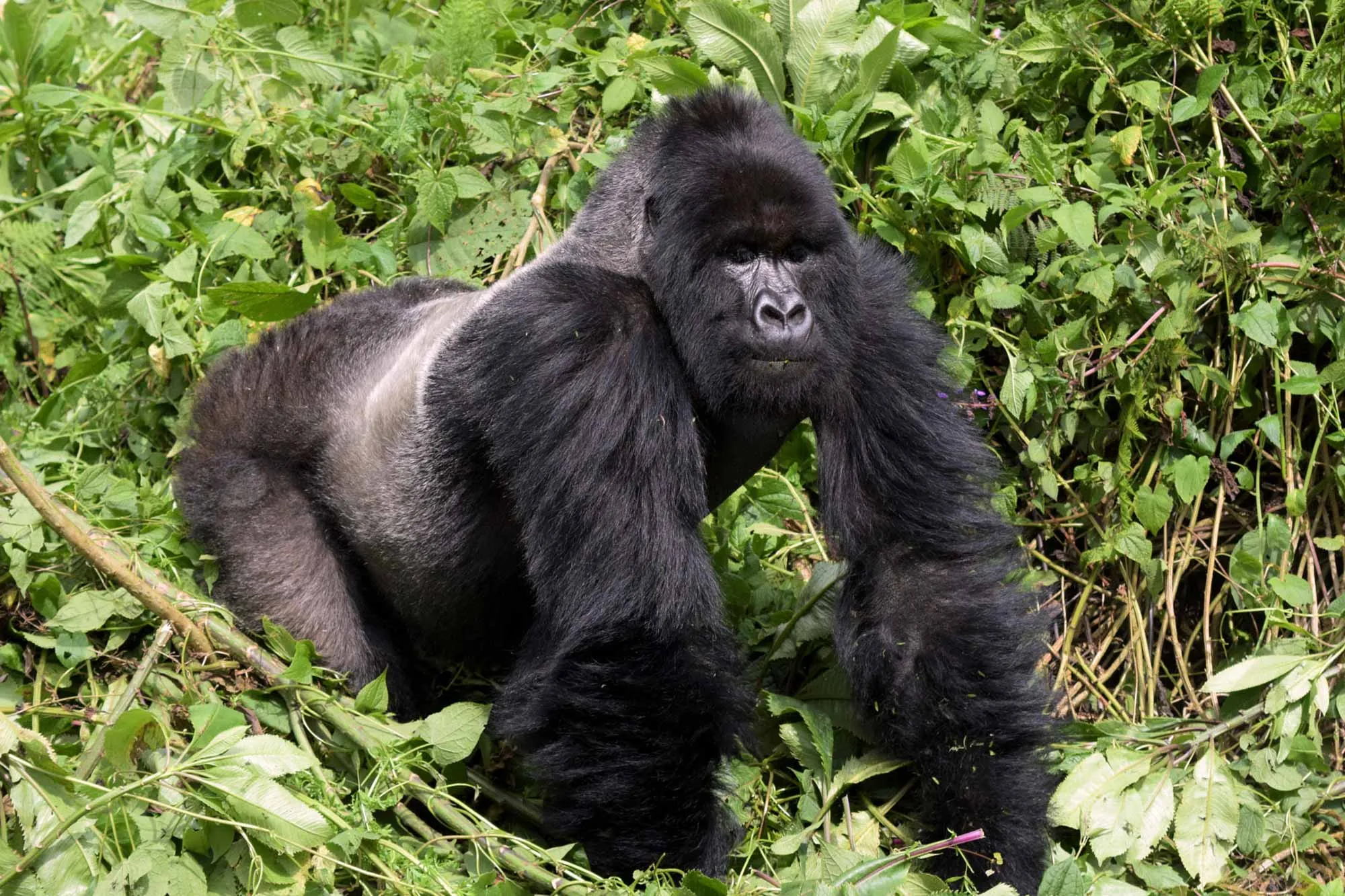
The silverback is often the first animal people imagine when they think about mountain gorillas. An adult male can look incredibly powerful, particularly when encountered at close range in dense vegetation.
Yet a gorilla encounter is rarely about one animal alone.
A family may contain adult females, juveniles, infants, and younger males. Their interactions reveal a complex social structure. A youngster may climb onto its mother. Juveniles may chase each other through the plants. Adults spend considerable time feeding and resting.
The silverback’s presence nevertheless commands attention. Seeing one move through the forest demonstrates both the physical strength and remarkable calm of these primates.
Visitors must remember that gorillas are wild animals. Rangers control the encounter, and guests should follow every instruction rather than trying to create a particular photograph or interaction.
Gorilla Trekking Permits
A gorilla permit is essential for trekking in Uganda. Permits control visitor numbers and form part of the country’s regulated gorilla tourism system.
Travelers should arrange permits well before the safari, especially when traveling during popular holiday periods. Availability can influence which trekking sector fits the itinerary.
Uganda Wildlife Authority’s published July 2024–June 2026 tariff listed gorilla tracking at US$800 for foreign non-residents in both Bwindi and Mgahinga. However, that published tariff period has now ended. Travelers planning a 2026 or later safari should therefore confirm the applicable current price when booking rather than relying on an older online article.
Permit policies can change, so Peku Adventures should verify the latest Uganda Wildlife Authority conditions before confirming a quotation.
Why Early Permit Booking Matters
Gorilla trekking cannot simply be added at the last minute with an assumption that space will always exist. Visitor numbers are controlled, and availability depends on the date and trekking location.
German travelers planning around school holidays, Christmas, New Year, Easter, summer holidays, or a fixed annual leave period should consider arranging the safari early.
Early planning also makes it easier to coordinate flights, suitable lodges, a preferred itinerary, and additional activities.
Once the permit date becomes the anchor of the itinerary, the rest of the journey can be designed around it.
How Physically Difficult Is Gorilla Trekking?
This is one of the most common questions travelers ask before booking.
The most accurate answer is that trekking difficulty varies.
Bwindi is mountainous, and some routes involve steep climbs, uneven ground, mud, thick vegetation, or extended walking. Mgahinga can also require significant physical effort. Weather conditions affect the trail, and gorillas do not remain in one fixed location.
A reasonably active person can often prepare successfully for the experience.
German travelers can train before departure by walking regularly, climbing hills or stairs, improving cardiovascular fitness, and becoming comfortable with several hours of activity. Hiking in Germany is excellent preparation. Trails in the Black Forest, Bavarian Alps, Harz Mountains, Saxon Switzerland, Eifel, or local countryside can help build stamina.
You do not need to become an athlete. However, arriving with basic fitness can make the day considerably more enjoyable.
Porters Can Make the Trek Easier
Hiring a porter is one of the practical choices travelers can make on trekking morning.
A porter can help carry a backpack, water, camera equipment, lunch, and other personal items. On steep or slippery sections, the extra assistance can also make movement easier.
This support allows the traveler to concentrate more fully on the forest and gorilla experience instead of spending unnecessary energy carrying equipment.
Porter services also provide direct economic opportunities for people living near the protected areas. Therefore, hiring a porter can combine practical assistance with local economic benefit.
Age Requirements
Gorilla trekking has a minimum age requirement under park rules. Families traveling from Germany with children should verify the current age policy before confirming the safari.
This point matters when planning a family holiday because parents may need alternative activities for younger children while adults or eligible older family members undertake the trek.
Uganda still offers many family-friendly experiences, including boat cruises, wildlife drives, community visits, nature activities, and lodge stays. A good itinerary can therefore accommodate different ages even when not every family member participates in gorilla trekking.
Best Time for Gorilla Trekking in Uganda
Gorilla trekking takes place throughout the year, which gives German travelers considerable flexibility.
Uganda has tropical weather patterns rather than the four strongly defined seasons familiar in Germany. Rain can occur at any time in a rainforest, although some months are generally wetter than others.
Many travelers prefer periods with comparatively drier conditions because forest trails may be easier to navigate. However, wetter periods can bring beautiful green scenery and a quieter atmosphere.
The right travel period depends on more than rainfall. Travelers should also consider flight prices, holiday schedules, permit availability, accommodation availability, safari interests, and personal preferences.
June to September
This period is popular for East African travel. Conditions are often comparatively dry, although rain remains possible around rainforest destinations.
German summer holidays can make these months convenient for families and travelers with fixed annual leave.
Because demand can be strong, planning is sensible.
December to February
Another relatively dry period occurs around December, January, and February in many parts of Uganda. This period can appeal to Germans who want to escape the European winter and experience warmer African conditions.
Christmas and New Year travel should normally be planned well ahead because flights, permits, and popular accommodation may be in demand.
March to May
These months often receive heavier rainfall. Forest trails can become muddy and slippery, and travelers should arrive with appropriate clothing and footwear.
However, rain should not automatically discourage a visitor. Bwindi is a rainforest, so wet conditions form part of its natural character.
Travelers who enjoy lush scenery and have flexible dates may still find this period rewarding.
October and November
Rainfall is also common during these months. Conditions vary from year to year and even from one part of Uganda to another.
Waterproof clothing, good boots, gaiters, and a positive attitude are useful whenever you trek, regardless of the month printed on the calendar.
What Should Germans Pack for Gorilla Trekking?
Packing correctly can greatly improve the trekking experience.
A visitor does not need specialist expedition equipment, but ordinary city clothing is not ideal for Bwindi’s dense vegetation and potentially muddy terrain.
Useful items include:
- Strong, comfortable hiking boots with reliable grip.
- Long trekking trousers.
- Long-sleeved shirts.
- A lightweight waterproof jacket.
- Gardening or trekking gloves for vegetation and support.
- Gaiters where available.
- A small daypack.
- Refillable water bottle.
- Sunscreen.
- Insect repellent.
- Hat.
- Sunglasses for other safari activities.
- Camera and spare batteries.
- Waterproof protection for electronics.
- Personal medication.
- Binoculars for birding and general wildlife viewing.
- Warm layer for cool mornings and evenings in the highlands.
Neutral outdoor clothing generally works well for safari travel. There is little reason to carry excessive luggage. Laundry services are available at many lodges, although arrangements vary.
German travelers should also consider baggage restrictions when using domestic flights within Uganda.
Photography During Gorilla Trekking
Photographing a mountain gorilla can be incredibly rewarding, but visitors should avoid allowing the camera to dominate the entire encounter.
Forest photography is challenging. Light levels can be low, vegetation may partially obscure animals, and gorillas can move unexpectedly.
A camera that performs reasonably well in low light can help. A moderate telephoto zoom provides flexibility, but extremely heavy equipment can become tiring during a long trek.
Flash photography is not permitted around gorillas.
Travelers should know their camera settings before entering the forest. Trekking day is not the ideal time to learn a complicated new camera from the beginning.
Take photographs, but occasionally lower the camera.
Look at the gorillas directly.
Listen to the forest.
Observe their expressions and movements.
Those memories may become more valuable than hundreds of nearly identical images.
Traveling from Germany to Uganda
Most German travelers reach Uganda by flying into Entebbe International Airport.
Depending on airline schedules, journeys may involve one connection through a major international hub. Flight options change regularly, so travelers should compare routes based on total journey time, baggage allowance, arrival time, price, and connection quality.
Arriving in Entebbe is only the beginning of the Uganda journey. Bwindi lies in southwestern Uganda, so visitors need either an overland transfer, domestic flight combined with road transportation, or a longer safari route through other national parks.
Entebbe: A Comfortable Beginning
After a long journey from Germany, spending the first night around Entebbe can be an excellent idea.
Instead of landing and immediately beginning a long road transfer, travelers can rest, recover from the flight, and start the safari refreshed the following morning.
Entebbe also offers activities for visitors with extra time. Depending on the itinerary, these may include botanical surroundings, Lake Victoria experiences, birdwatching, or an excursion toward Mabamba Wetland to search for the shoebill.
Starting slowly can make a major difference, particularly for older travelers or guests arriving after an overnight flight.
Driving from Entebbe or Kampala to Bwindi
Traveling by road reveals Uganda gradually.
The journey crosses towns, villages, farmland, hills, and changing landscapes. Rather than viewing the transfer only as transportation, travelers can treat it as part of the safari experience.
The drive is long, so itineraries should allow enough time and suitable breaks.
Some travelers prefer to divide the route with other destinations. For example, Lake Mburo National Park can provide a convenient wildlife stop depending on the chosen route.
A longer Uganda safari can instead travel through Murchison Falls, Kibale, Queen Elizabeth, and finally Bwindi, creating a natural progression from savannah wildlife to primates.
Flying to Southwestern Uganda
Domestic flights can reduce road travel considerably.
This option is attractive to visitors with limited holiday time or those who prefer not to spend many hours driving between Entebbe and southwestern Uganda.
A fly-in gorilla safari can connect Entebbe with an airstrip serving the wider Bwindi region, followed by a road transfer to the lodge.
However, flying does not eliminate all road transportation. Guests still need transfers between airstrips, lodges, and trekking points.
The best choice depends on time, budget, itinerary style, and personal comfort.
Uganda Visa Information for German Travelers
German passport holders should check Uganda’s current immigration requirements before travel. Germany does not appear on Uganda’s current general visa-exempt list, and Uganda Immigration provides an online tourist visa application process.
The official single-entry tourist visa page currently lists a fee of US$50 and requires a passport bio-data page with at least six months’ validity, a tour plan, travel itinerary or booking, recent passport photograph, and accommodation information. Requirements can change, so travelers should use the official immigration portal rather than unofficial visa websites.
Uganda also offers an East African Tourist Visa for travel involving Uganda, Kenya, and Rwanda. The official immigration information lists this visa at US$100, valid for tourism within the participating countries under its conditions.
Travelers should always confirm the latest requirements shortly before applying.
Yellow Fever Entry Information: Important 2026 Update
Travel information can change quickly, and this is an excellent example.
On 2 October 2026, Uganda’s National Citizenship and Immigration Control published an official notice stating that a yellow fever vaccination certificate is no longer mandatory for entry into Uganda.
Older webpages and travel articles may still display previous requirements. Travelers should therefore check current official information when preparing for the journey.
Entry requirements and medical recommendations are not necessarily the same thing. German travelers should seek appropriate professional travel-health advice about vaccinations, malaria prevention, personal medications, and other health precautions before visiting Uganda.
Health Preparation Before Leaving Germany
A safari involves different climates, environments, food, and activity levels from everyday life in Germany. Travelers should prepare accordingly.
A travel medicine consultation can help visitors understand current recommendations based on their age, medical history, itinerary, and length of stay.
Travelers who take prescription medicine should carry an adequate supply and keep essential medication in hand luggage during international travel.
Good travel insurance is also important. A policy should be appropriate for the planned activities and destinations. Travelers should read the policy details rather than assuming every outdoor or safari activity receives identical coverage.
Malaria Awareness
Malaria prevention deserves attention when planning travel in Uganda.
Travelers should obtain professional medical advice before departure because individual recommendations can depend on the itinerary, medical circumstances, and current health guidance.
Practical mosquito protection can include suitable repellent, long clothing during higher-risk periods, and using mosquito nets where provided.
Visitors should not rely solely on internet discussions or advice from other travelers when making personal medical decisions.
Accommodation for Gorilla Trekking
Accommodation around Bwindi ranges from relatively simple properties to comfortable midrange lodges and high-end luxury retreats.
The right lodge depends on budget, trekking sector, travel style, and expectations.
Location matters as much as comfort.
A beautiful lodge can be inconvenient if it is far from the correct briefing point. For that reason, Peku Adventures coordinates accommodation with the assigned trekking sector.
Budget Accommodation
Budget lodges and camps can suit adventurous travelers who prioritize the gorilla experience over luxury.
Rooms are generally simpler, yet a good property can still provide hot meals, comfortable bedding, helpful staff, and an excellent location.
This category works particularly well for younger travelers, students, photographers allocating more money to activities, and guests who simply prefer practical accommodation.
Midrange Lodges
Midrange accommodation is popular among German safari travelers because it balances comfort and cost.
Guests can expect private rooms, proper bathrooms, good meals, attractive common areas, and personal service, although exact facilities vary by property.
After a demanding gorilla trek, returning to a comfortable lodge, enjoying a hot shower, and sitting down for dinner can feel wonderful.
Luxury Lodges
Luxury accommodation offers a more exclusive experience, often with outstanding forest views, spacious rooms, attentive service, and high-quality dining.
Some lodges are positioned in spectacular locations overlooking Bwindi’s canopy or surrounding hills.
Luxury does not change the gorillas themselves. Every permit holder follows the park’s trekking system. What changes is the comfort and service surrounding the trekking day.
Food During a Uganda Safari
Many German travelers are pleasantly surprised by the variety of meals available at safari lodges.
Breakfast might include eggs, fruit, bread, tea, coffee, juice, and other items. Lunch may be served at the lodge or packed for travel and trekking days. Dinner often includes several courses or a buffet depending on the property.
Ugandan food can include matooke, rice, potatoes, vegetables, beans, groundnut sauce, meat dishes, fresh fruit, and other regional specialties.
Most established safari lodges can accommodate common dietary needs when informed in advance.
Vegetarian travelers should tell Peku Adventures during booking. Guests with allergies or strict dietary requirements should provide clear information early so that lodges can prepare.
German and English Communication
English is widely used in Uganda’s tourism industry.
Guides, lodge teams, park staff, and tourism professionals commonly communicate with international visitors in English.
German-speaking guiding arrangements may sometimes be possible depending on availability and the nature of the safari. Travelers who strongly prefer German-language guiding should request this well in advance.
Even without a German-speaking guide, most tourism procedures are straightforward for travelers with basic conversational English.
Combining Gorillas with Chimpanzees
One of Uganda’s greatest advantages is the opportunity to combine mountain gorillas with chimpanzee tracking.
Kibale National Park is particularly famous for primates and is a natural addition to a longer western Uganda itinerary.
The experience differs significantly from gorilla trekking.
Chimpanzees move through a forest environment in their own dynamic way. Visitors may hear their calls before seeing them. Groups can move quickly, feed in trees, rest on the ground, or communicate loudly through the forest.
Combining both experiences allows travelers to appreciate two of Africa’s great apes during one holiday.
Queen Elizabeth National Park
After or before a primate experience, Queen Elizabeth National Park introduces classic savannah wildlife.
Game drives can reveal elephants, buffaloes, antelopes, warthogs, and predators depending on luck and location.
A boat safari on the Kazinga Channel provides a completely different perspective. Hippos gather in the water, buffaloes visit the shoreline, and numerous bird species occupy the channel environment.
This combination makes Queen Elizabeth an excellent bridge between Kibale and Bwindi.
Ishasha and Tree-Climbing Lions
The Ishasha sector of Queen Elizabeth National Park lies along a route that can fit naturally into some journeys toward Bwindi.
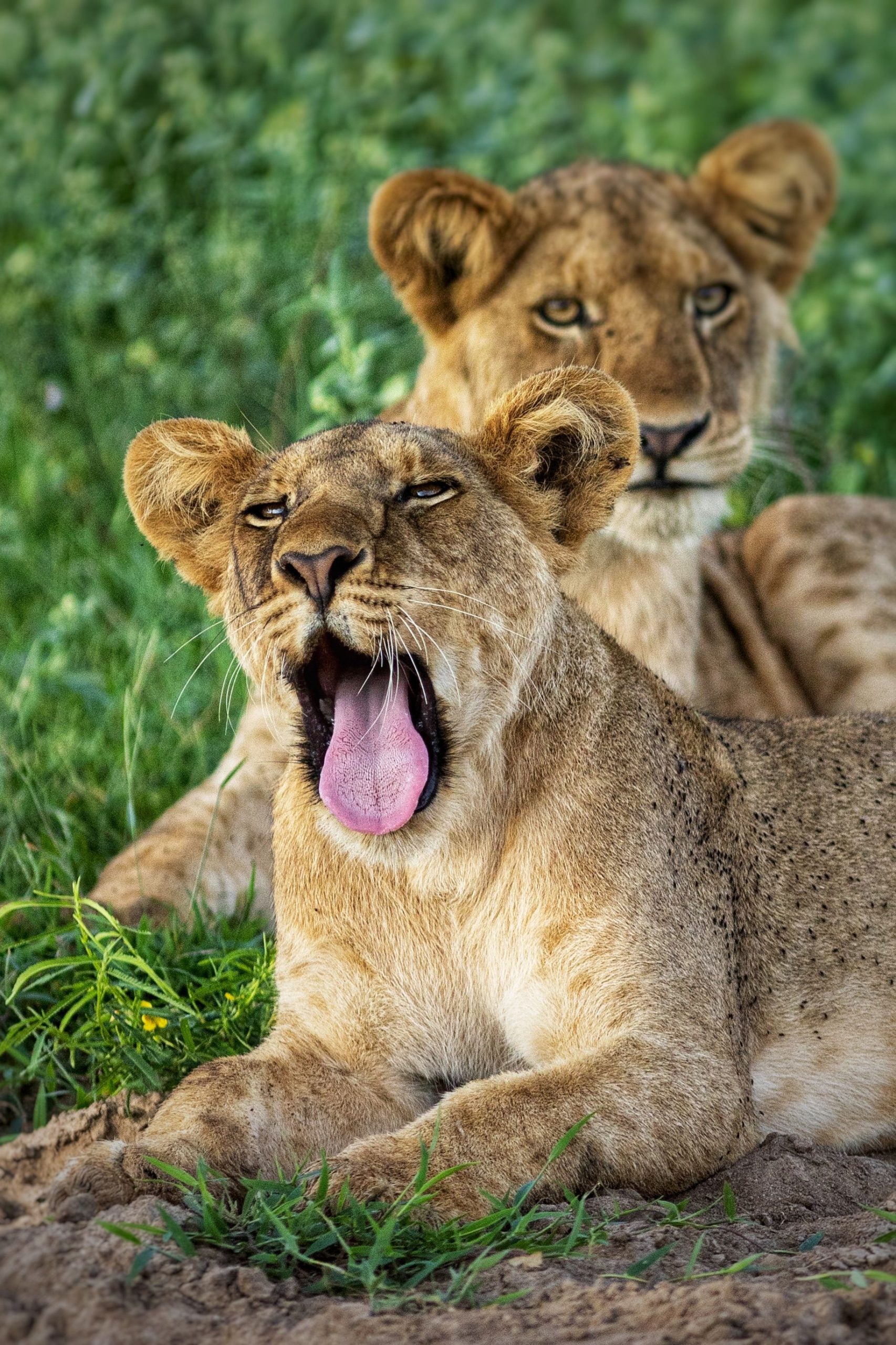
The area is famous for its tree-climbing lions, although wildlife sightings can never be guaranteed.
Finding lions resting in the branches of a fig tree is an unforgettable sight. Yet Ishasha should be appreciated as an ecosystem rather than only as a lion stop.
The open plains and quieter safari atmosphere make the sector worthwhile even when the lions remain hidden.
Golden Monkeys in Mgahinga
Travelers spending time around Kisoro or Mgahinga can add golden monkey tracking.
These colorful primates live in the bamboo and montane forest environment of the Virunga region.
Golden monkey tracking creates a lively contrast with the heavier, calmer presence of mountain gorillas. The monkeys can move rapidly through vegetation, creating a fun photography challenge.
A combined gorilla and golden monkey itinerary is particularly suitable for travelers who want to focus strongly on primates.
Lake Bunyonyi
Lake Bunyonyi is one of southwestern Uganda’s most scenic areas.
Its islands and surrounding terraced hills create a peaceful landscape that works well after physically demanding trekking.
Travelers may relax, take in the views, enjoy boat or canoe experiences where appropriately arranged, and slow the pace of the safari.
Rather than rushing immediately to another destination, spending time around the lake can create valuable breathing space within a busy itinerary.
Lake Mutanda
Lake Mutanda is another beautiful southwestern destination, particularly convenient for journeys involving Kisoro, southern Bwindi, or Mgahinga.
Volcanic scenery surrounds the lake, creating excellent photography opportunities on clear days.
Travelers who enjoy peaceful landscapes may appreciate adding an extra night here rather than treating southwestern Uganda only as a place to trek gorillas and leave.
Lake Mburo National Park
Lake Mburo can work well as a stop between Entebbe and southwestern Uganda.
The park offers a different wildlife environment from Bwindi. Zebras, antelopes, buffaloes, and other species inhabit its savannah landscape.
Depending on current park operations and the chosen itinerary, visitors may enjoy game drives and other activities.
Adding Lake Mburo can break a long road journey while introducing German visitors to Uganda’s savannah wildlife before or after the gorilla experience.
Murchison Falls National Park
Travelers with more time can build a much larger Uganda safari that includes Murchison Falls.
Here, the Nile moves through a dramatic landscape and wildlife occupies broad savannah areas.
Game drives, river experiences, and views associated with the falls make Murchison very different from the forests of Bwindi.
A safari combining Murchison, Kibale, Queen Elizabeth, and Bwindi demonstrates the extraordinary environmental diversity contained within Uganda.
Ziwa Rhino Sanctuary
A northern safari route can also include rhino tracking at Ziwa before continuing toward Murchison Falls.
For travelers interested in experiencing a broad range of African wildlife, this can add another distinctive element.
The activity should be booked and conducted according to current sanctuary arrangements.
Sample 3-Day Gorilla Trekking Safari
German travelers with limited time can still experience Bwindi on a compact itinerary.
Day 1: Transfer to Bwindi
After breakfast, meet your Peku Adventures guide and begin the journey toward southwestern Uganda.
The drive reveals changing scenery as you leave the urban environment and enter Uganda’s countryside. Depending on the route and schedule, stops can be arranged along the way for meals, viewpoints, or other planned experiences.
Continue toward Bwindi and arrive at the lodge for dinner.
The evening should remain relaxed because trekking begins early the following morning.
Day 2: Gorilla Trekking
Wake early for breakfast before transferring to the appropriate briefing point.
Park staff explain trekking procedures and prepare visitors for the forest experience. Afterward, enter Bwindi with your ranger team and begin searching for the assigned gorilla family.
The duration of the trek varies according to the gorillas’ location and forest conditions.
Once the family is located, follow ranger instructions carefully and enjoy the encounter.
After leaving the gorillas, return from the forest and travel back to the lodge.
The remainder of the day can be used for rest or another arranged activity depending on timing and energy levels.
Day 3: Return Journey
Enjoy breakfast before beginning the return journey toward Entebbe or continuing to the next safari destination.
A three-day itinerary is efficient, but travelers should understand that it includes substantial road travel if driving from Entebbe.
Guests who prefer a slower holiday should consider adding more nights.
Sample 5-Day Uganda Gorilla Safari
A five-day safari creates more flexibility.
Day 1: Arrival in Entebbe
Arrive at Entebbe International Airport and meet the Peku Adventures representative.
Transfer to your accommodation and rest after the journey from Germany.
Day 2: Travel to Southwestern Uganda
After breakfast, begin the journey toward Bwindi.
Enjoy Uganda’s countryside and planned stops along the route.
Arrive near the forest and settle into the lodge.
Day 3: Gorilla Trekking
This is the central day of the safari.
After breakfast and briefing, enter the forest with professional rangers.
Track the assigned gorilla family and enjoy the regulated observation period once they are found.
Return to the lodge afterward for relaxation.
Day 4: Additional Southwestern Uganda Experience
Use the extra day for a cultural activity, nature experience, Lake Bunyonyi, Lake Mutanda, golden monkeys where routing permits, or simply a relaxed day near the forest.
The exact choice should match the trekking sector and overall route.
Day 5: Return to Entebbe
Travel back toward Entebbe for an overnight stay or onward international flight depending on timing.
Peku Adventures should allow a safe connection margin rather than designing an unnecessarily tight transfer.
Sample 7-Day Gorilla and Wildlife Safari
Seven days allows German travelers to combine gorillas with a traditional wildlife safari.
Day 1: Arrival in Uganda
Arrive in Entebbe and transfer to the hotel.
Rest and prepare for the safari.
Day 2: Travel Toward Queen Elizabeth National Park
Begin the journey west.
Enjoy Uganda’s changing landscapes before arriving near Queen Elizabeth National Park.
Day 3: Wildlife and Kazinga Channel
Start with a game drive at an appropriate time.
Later, enjoy a boat safari on the Kazinga Channel, where wildlife and birds gather around the water.
Day 4: Ishasha and Transfer Toward Bwindi
Travel through or explore the Ishasha sector depending on the itinerary.
Search for wildlife, including the area’s famous tree-climbing lions, while remembering that sightings remain natural and cannot be promised.
Continue toward Bwindi and settle into the lodge.
Day 5: Gorilla Trekking
Enter Bwindi for the long-awaited gorilla experience.
After the trek, return to the lodge and relax.
Day 6: Begin Return Journey
Leave the forest and travel toward the next planned overnight stop.
Depending on the route, the safari can include Lake Mburo or another convenient destination.
Day 7: Return to Entebbe
Complete the final journey to Entebbe and connect with onward arrangements.
Sample 10-Day Gorilla, Chimpanzee and Wildlife Safari
Ten days provides enough time to experience several highlights without making every day feel rushed.
Day 1: Arrive in Entebbe
Meet the Peku Adventures team and transfer to the hotel.
Day 2: Travel West
Begin the journey into western Uganda.
The exact overnight destination depends on the final route.
Day 3: Kibale Region
Explore the Kibale area and prepare for chimpanzee tracking.
Day 4: Chimpanzee Tracking
Enter the forest for a guided chimpanzee experience.
Later, enjoy another arranged activity or relax.
Day 5: Queen Elizabeth National Park
Transfer toward Queen Elizabeth and begin exploring the savannah landscape.
Day 6: Game Drive and Boat Safari
Enjoy wildlife viewing before taking a boat experience on the Kazinga Channel.
Day 7: Ishasha to Bwindi
Travel through the southern sector and continue toward Bwindi.
Day 8: Gorilla Trekking
Spend the day experiencing one of Uganda’s greatest wildlife encounters.
Day 9: Lake or Scenic Stop
Enjoy a slower day around one of southwestern Uganda’s beautiful lakes or begin the journey toward Entebbe.
Day 10: Departure
Return to Entebbe for the international journey home.
A Longer Uganda Safari for German Travelers
Visitors who have two weeks can experience Uganda at a much more comfortable pace.
Instead of traveling only to Bwindi, the itinerary can include Entebbe, Mabamba, Ziwa, Murchison Falls, Kibale, Queen Elizabeth, Ishasha, Bwindi, Mgahinga, Lake Bunyonyi, Lake Mburo, and other carefully selected destinations.
Longer journeys also allow rest days.
This is important because a safari should not feel like a race between national parks. Uganda rewards travelers who occasionally stop moving and spend time watching the landscape.
A slow morning overlooking Bwindi can be as memorable as a busy game drive.
How Much Does Gorilla Trekking from Germany Cost?
There is no single price for every Uganda gorilla safari.
The total depends on several factors, including international flights, permit prices, number of travelers, accommodation category, transport, domestic flights, length of safari, park fees, activities, meals, guide services, and season.
Private travel generally costs more per person for a solo traveler because transport expenses are not shared.
Couples and small groups can often divide vehicle and guiding costs, reducing the per-person land price.
Luxury lodges increase the budget considerably, while carefully selected midrange or budget accommodation can make the trip more affordable.
The most reliable approach is to request a quotation based on exact dates and travel preferences.
Budget Gorilla Safari
A budget-focused safari prioritizes the essential experience.
Travelers may use simpler lodges and road transportation while still receiving the required permits, professional guiding, and planned transfers.
Saving money should not mean compromising safety or using unauthorized arrangements.
A well-designed budget safari focuses spending where it matters most while keeping accommodation practical.
Midrange Gorilla Safari
Midrange trips offer a strong balance between price and comfort.
This category often appeals to couples, mature travelers, friends, and first-time visitors to Africa.
Comfortable lodges, private transportation, organized meals, and experienced guiding create a smooth journey without the cost of premium luxury properties.
Luxury Gorilla Safari
A luxury gorilla safari can include high-end forest lodges, domestic flights, private services, carefully paced itineraries, and premium accommodation elsewhere in Uganda.
The objective is not merely expensive accommodation. Good luxury travel should reduce unnecessary stress and create time to appreciate the destination.
A rushed itinerary does not automatically become luxurious because the lodge is expensive.
Pacing matters.
Solo Travel from Germany
Uganda can also be explored as a solo traveler through an organized safari.
A private journey provides flexibility, although the cost per person may be higher because vehicle and guide expenses are not shared.
Solo travel can be particularly rewarding for photographers, birdwatchers, writers, and visitors who prefer to set their own pace.
Peku Adventures can design an itinerary around individual interests rather than forcing a solo guest into an unsuitable standard program.
Couples and Honeymoon Travel
Gorilla trekking can form the centerpiece of a memorable honeymoon or anniversary safari.
Couples can combine adventure with beautiful lodges, lake views, private meals, wildlife safaris, and slower days.
The key is balance.
Spending every day on long transfers can reduce the romantic atmosphere. Adding two-night stays in selected destinations makes the trip feel more relaxed.
Group Gorilla Safaris
Friends, clubs, extended families, and private groups can travel together.
Group travel can help distribute transportation costs, but accommodation and permit availability become more complicated as numbers increase.
Early planning is therefore especially important.
Groups should also consider different fitness levels. Some members may want challenging hikes, while others prefer a more relaxed pace.
A good safari design accounts for these differences before arrival.
Senior Travelers and Gorilla Trekking
Age alone does not determine whether someone can enjoy gorilla trekking.
Fitness, mobility, medical circumstances, and comfort on uneven terrain matter more.
Older travelers should discuss any concerns with appropriate health professionals and communicate mobility requirements during safari planning.
Porter assistance can be valuable, and a carefully paced itinerary should include adequate rest.
Travelers should never feel pressured to match somebody else’s speed.
Responsible Gorilla Tourism
Mountain gorilla tourism depends on responsible behavior.
Visitors enter a sensitive wildlife habitat, so the experience must place conservation ahead of entertainment.
Park rules protect both gorillas and visitors. Travelers should follow instructions concerning distance, illness, food, photography, movement, and behavior.
Nobody should attempt to touch a gorilla.
Visitors should not chase animals for photographs or ignore ranger instructions.
Respectful tourism helps keep the encounter sustainable for future generations.
Why Health Rules Around Gorillas Matter
Gorillas are biologically close to humans and can be vulnerable to human illnesses.
For this reason, visitors who are sick around trekking time should immediately inform their guide or park staff and follow official instructions.
It can be disappointing to travel a long distance and face a health problem, but protecting the gorillas must remain the priority.
Travelers should also respect any current mask or hygiene rules communicated by wildlife authorities.
Supporting Communities Around Bwindi
Conservation succeeds more effectively when communities living near protected areas also benefit from tourism.
Visitors contribute economically through accommodation, guiding, porter services, crafts, cultural activities, food supply chains, transportation, and employment.
Travelers can increase this positive impact by purchasing locally made products from reputable community initiatives and treating residents respectfully.
Cultural experiences should never reduce communities to staged photographs. The most meaningful encounters involve genuine learning and fair economic exchange.
Gorilla Trekking and Conservation
A gorilla permit is not simply an admission ticket.
Regulated tourism forms part of the broader conservation framework surrounding mountain gorillas and their habitat.
Protecting forests requires rangers, monitoring, research, community engagement, law enforcement, veterinary support, administration, and long-term habitat management.
Responsible tourism gives these forests economic value without requiring their destruction.
Travelers therefore participate in a conservation model when they book through legitimate channels and follow park rules.
Birdwatching Around Bwindi
German birdwatchers should consider extending their time in Bwindi.
The Albertine Rift region supports exceptional bird diversity, and a specialist birding excursion can transform a gorilla safari into a much broader natural-history journey.
Birding works best when travelers allow sufficient time. Rushing from one destination to another makes it difficult to appreciate smaller species.
A knowledgeable bird guide can help visitors understand calls, habitats, behavior, and regional specialties.
Uganda Beyond Gorillas
Mountain gorillas may inspire the initial booking, but Uganda contains far more.
The country offers the Nile, crater lakes, savannah parks, tropical forests, wetlands, mountains, primates, big game, and rich birdlife.
This diversity means a traveler does not need to choose between gorillas and a conventional safari.
You can experience both.
A two-week journey can feel like several different holidays connected into one.
Cultural Experiences
Culture adds depth to wildlife travel.
Uganda is home to many communities, languages, traditions, foods, crafts, and histories.
Travelers should approach cultural activities with curiosity and respect.
A responsible visit should create genuine benefit for the hosts rather than treating people as tourist attractions.
Ask questions, listen, learn, and follow local guidance about photography.
These interactions can become some of the most memorable moments of the journey.
Money and Payments in Uganda
Travelers should prepare a practical mix of payment methods.
Uganda uses the Uganda shilling, while some tourism services are quoted in US dollars.
Card acceptance varies by location and property. Remote areas may have limited access to banking facilities.
Travelers should discuss expected cash needs with Peku Adventures before leaving Entebbe.
Avoid carrying unnecessarily large amounts of money, and keep important documents and funds secure.
Electricity and Charging
Travelers carrying cameras, phones, watches, and other electronics should plan for charging.
Uganda commonly uses British-style three-pin electrical sockets.
A suitable travel adapter is useful for visitors arriving from Germany.
Remote safari lodges may generate power through solar systems or generators, and electricity schedules can differ from city hotels.
Photographers should carry spare batteries and power banks where appropriate.
Internet Access
Mobile connectivity has expanded across Uganda, but travelers should not expect uninterrupted high-speed internet in every forest or national park.
Many lodges provide Wi-Fi in selected areas, although performance can vary.
Rather than treating limited connectivity as a problem, some visitors appreciate the opportunity to disconnect.
Bwindi is an excellent place to spend less time looking at a phone and more time listening to the forest.
What Language Is Spoken in Uganda?
English is an official language and is widely used in tourism.
Uganda is also highly multilingual, with numerous local languages spoken across different regions.
Learning a few simple greetings can make interactions enjoyable, although visitors are not expected to speak a Ugandan language.
Your guide can explain appropriate greetings and local customs as the safari moves between regions.
Safety on an Organized Gorilla Safari
Travelers should follow current official travel advice and instructions from their tour operator, guides, accommodation providers, and park authorities.
Safari conditions differ from ordinary travel in Germany. Distances can be long, wildlife is genuinely wild, and some destinations are remote.
Professional planning reduces unnecessary problems.
Guests should avoid wandering away from designated areas in wildlife destinations, follow lodge instructions after dark, and never approach animals without professional guidance.
Travel insurance and sensible personal precautions remain important.
Why a Private Guide Makes a Difference
A knowledgeable guide does much more than drive a vehicle.
The guide manages timing, explains wildlife, coordinates accommodation, helps with park procedures, adjusts the daily schedule when necessary, and provides cultural context.
During long road journeys, a good guide transforms scenery into a story.
Visitors learn about agriculture, communities, geography, conservation, and everyday life rather than simply watching Uganda through a window.
This human element often becomes one of the strongest memories of a safari.
Common Gorilla Trekking Mistakes
One common mistake is booking accommodation before confirming the trekking sector.
Another is packing unsuitable footwear.
Some visitors also underestimate the physical effort involved, while others worry so much about fitness that they never book at all.
Travelers sometimes schedule an international flight too close to the end of a long road transfer.
Another mistake is trying to see too much in too little time.
Uganda looks compact on a map, but road journeys between parks can take many hours.
A realistic itinerary is almost always more enjoyable than an overloaded one.
Do Not Rush Your Gorilla Safari
German travelers often have limited annual leave and understandably want to maximize every day.
However, maximizing a holiday does not necessarily mean adding the largest possible number of destinations.
Quality matters more than the number of parks listed on an itinerary.
Two nights in the right destination can provide a better experience than arriving after dark and leaving the following morning immediately.
A slower safari also gives flexibility when weather, road conditions, or wildlife movements affect the day’s schedule.
Should You Visit Uganda or Rwanda for Gorillas?
Both Uganda and Rwanda offer mountain gorilla tourism, and each destination has its own travel structure.
For travelers researching Uganda specifically, the country’s major advantage is the ease of combining gorilla trekking with a wide range of additional safari experiences within one national itinerary.
Bwindi itself also offers several trekking sectors and a deep rainforest setting.
Rather than treating the choice as a competition, travelers should compare total itinerary style, available time, budget, flight arrangements, permit availability, and the other experiences they want.
Some visitors even combine countries when time allows.
Can Uganda, Rwanda and Kenya Be Combined?
Yes, regional itineraries are possible.
A German traveler might combine gorillas in Uganda with Rwanda and a wildlife safari in Kenya, for example.
Uganda’s East African Tourist Visa is designed for qualifying tourism travel involving Uganda, Kenya, and Rwanda under the applicable conditions.
Regional travel requires more planning because border procedures, transportation, visas, flights, and park bookings must fit together.
For a first East African journey, spending the entire holiday in Uganda can also provide more than enough variety.
Sustainable Travel Choices
Travelers can make simple choices that reduce unnecessary environmental impact.
Carry a reusable water bottle where safe refill systems are available. Avoid leaving plastic waste in protected areas. Respect trails and park instructions. Do not purchase wildlife products. Choose responsible activities and legitimate tourism providers.
Photography should also remain respectful.
Never pressure a guide or ranger to break wildlife rules for a closer picture.
A photograph is not worth disturbing an endangered animal.
What Makes Bwindi Special Beyond Gorillas?
It would be easy to describe Bwindi only as a place where gorillas live, but the forest deserves greater appreciation.
Its steep valleys, ancient vegetation, mist, streams, birds, insects, primates, and changing light create an extraordinary ecosystem.
During a trek, visitors may begin by thinking only about reaching the gorillas.
Then the forest gradually takes over.
You notice the sound of birds, water beneath vegetation, leaves moving overhead, enormous trees, tangled vines, and the cool air under the canopy.
Even before the gorillas appear, Bwindi feels like an adventure.
Emotional Impact of Gorilla Trekking
People react differently when they finally see mountain gorillas.
Some become quiet.
Others smile constantly.
A few visitors become emotional.
The encounter can feel surprisingly personal because gorilla expressions and social interactions appear familiar to human observers.
Yet it is important not to humanize them too much. They remain wild animals with their own behavior and ecology.
Perhaps that combination—familiarity and wildness—is what makes the experience so powerful.
After the Trek
Returning to the lodge after gorilla trekking brings a particular sense of satisfaction.
Boots may be muddy. Clothes might be damp. Legs can feel tired.
Yet conversation at dinner usually returns to the same subject.
Where was the silverback sitting?
Which juvenile came closest?
Did the baby climb the tree?
Who managed to take the best photograph?
These stories often continue long after travelers return to Germany.
Gorilla Trekking as a Once-in-a-Lifetime Journey
The phrase “once in a lifetime” is used too often in tourism, but gorilla trekking genuinely earns it for many travelers.
The experience requires effort.
You travel a long distance from Europe. You drive or fly into Uganda’s highlands</p>
Then sudde
nly they are there.
That uncertainty makes the encounter real.
Nothing is staged.
The forest decides the conditions.
The gorillas decide where they move.
Visitors are guests in their environment.
Why Choose Peku Adventures?
Planning a gorilla safari requires coordination.
Permits, trekking sectors, accommodation, transportation, park activities, meals, airport transfers, and travel times all need to work together.
Peku Adventures can help German travelers build a safari around their priorities instead of simply selling a generic route.
Some guests want the shortest possible gorilla trip.
Others want a two-week wildlife adventure.
Photographers may prefer more time in fewer destinations.
Couples may prioritize beautiful lodges and relaxed pacing.
Families require different arrangements again.
The itinerary should fit the traveler.
Booking Your Uganda Gorilla Safari from Germany
The first step is deciding approximately when you want to travel and how many days you have available.
Next, consider the type of safari you want.
Do you want only gorilla trekking?
Would you like chimpanzees as well?
Are lions, elephants, giraffes, hippos, and other wildlife important?
Would you prefer road travel or domestic flights?
What accommodation level suits your budget?
Once Peku Adventures receives this information, the company can develop a suitable route and check the relevant arrangements.
Because gorilla permit availability can shape the itinerary, travelers should avoid waiting until the last moment when dates are fixed.
Information to Provide When Requesting a Safari
When contacting Peku Adventures, it helps to provide:
Your preferred travel dates, number of travelers, approximate ages where relevant, number of rooms, accommodation preference, desired safari length, major interests, and whether international flights have already been booked.
Travelers should also mention mobility concerns, dietary requirements, or special occasions.
The more useful information available at the beginning, the easier it becomes to create an itinerary that genuinely fits the group.
Frequently Asked Questions About Gorilla Trekking from Germany
Is Uganda a good destination for German tourists interested in gorillas?
Uganda offers established mountain gorilla trekking in Bwindi Impenetrable and Mgahinga Gorilla national parks. It also allows travelers to combine gorillas with chimpanzees, savannah wildlife, lakes, and other experiences within one country.
Where do I fly from Germany?
Travelers normally arrange an international flight to Entebbe International Airport. Available routes and connections change, so compare current airline schedules when booking.
Can I fly from Entebbe to Bwindi?
Domestic flight options can reduce road travel, followed by ground transfers to the relevant lodge and trekking area. Exact flight schedules and airstrips should be confirmed for the travel dates.
How many days do I need?
Three days can work for a compact road-based gorilla trip, although it involves significant travel. Four or five days provides a more comfortable experience. Seven to fourteen days allows gorillas to be combined with wildlife and other primates.
Is gorilla trekking difficult?
It can be physically demanding because of hills, mud, dense vegetation, and the unpredictable location of the gorillas. Difficulty changes from one day to another.
Do I need hiking experience?
Professional hiking experience is unnecessary, but regular walking and reasonable fitness are helpful.
Can I hire a porter?
Porter assistance is commonly available around trekking areas and can make the experience considerably easier.
Can I touch a gorilla?
No. Visitors must follow the distance and behavior rules given by park staff. Gorillas are wild animals.
Can I use flash photography?
No. Flash photography should not be used around gorillas.
Is a gorilla sighting guaranteed?
Gorilla trekking is a natural wildlife experience rather than a zoo visit. Habituated families are monitored and trackers are highly experienced, but wildlife encounters should never be described as mechanically guaranteed.
What happens if it rains?
Trekking normally takes place in rainforest conditions, and rain is always possible. Good waterproof clothing and hiking boots are important.
What happens if I am sick?
Tell your guide or park staff. Health rules exist partly to protect gorillas from human illness, and official instructions should be followed.
Do German citizens need a visa?
Germany is not listed among Uganda’s current general visa-exempt nationalities. German travelers should check and apply through Uganda’s official immigration system according to the requirements applicable to their trip.
Is yellow fever vaccination currently required for entry?
Uganda Immigration announced on 2 October 2026 that a yellow fever vaccination certificate is no longer mandatory for entry. Travelers should nevertheless check the latest official entry information and obtain professional medical advice before travel.
What currency should I carry?
Uganda uses the Uganda shilling. Some tourism services are quoted in US dollars. Ask Peku Adventures about practical payment arrangements for the specific itinerary.
Can vegetarians travel comfortably in Uganda?
Yes. Many safari lodges can prepare vegetarian meals when informed in advance.
Can I combine gorillas and chimpanzees?
Yes. Kibale National Park is a popular addition to a gorilla itinerary.
Can I see lions on the same safari?
Yes, an itinerary can include Queen Elizabeth National Park and Ishasha, among other wildlife destinations. Actual wildlife sightings remain natural and cannot be guaranteed.
Can I see the Big Five?
Uganda offers opportunities to see many famous African mammals, while rhino experiences require specific routing such as Ziwa. Travelers interested in particular species should discuss the route during planning.
Is gorilla trekking suitable for a honeymoon?
Yes. A gorilla safari can be combined with high-quality lodges, scenic lakes, wildlife experiences, and relaxed private travel.
Should I book several months ahead?
Early booking is recommended when travel dates are fixed because gorilla permits and preferred accommodation can have limited availability.
Final Thoughts: Gorilla Trekking from Germany to Uganda
Traveling from Germany to Uganda for gorilla trekking is not simply a journey between two countries. It is a transition from European cities, airports, and familiar routines into one of Africa’s most remarkable natural environments.
The adventure begins long before the gorillas appear.
It starts when you choose your travel dates, secure the appropriate arrangements, pack your hiking boots, and board the flight toward East Africa.
It continues when you arrive in Entebbe and feel Uganda’s warmer air for the first time. The road then carries you through towns, villages, farmland, valleys, hills, and national parks until the landscape becomes increasingly mountainous and green.
Eventually, you reach Bwindi or Mgahinga.
Morning arrives.
You eat breakfast, tighten your boots, check your camera, and meet the ranger team.
Then you walk into the forest.
At first, every movement in the vegetation captures your attention. The trail rises and falls. Branches cross the path. Mist may hang over the hills. Your boots collect mud, and the outside world begins to feel increasingly distant.
The trackers continue ahead.
Finally, the signal comes.
The gorillas are close.
You move carefully through the vegetation and suddenly see dark fur among the green leaves.
A mountain gorilla turns its head.
A youngster climbs through the branches.
An adult feeds quietly.
Nearby, the silverback watches over the family.
For a short period, the emails, schedules, traffic, screens, and routines of everyday life disappear. There is only the forest and a family of mountain gorillas living exactly where they belong.
That is why people travel thousands of kilometers for this experience.
Uganda offers more than a photograph of a gorilla. It offers a complete journey through rainforest, savannah, highlands, lakes, communities, wildlife habitats, and some of East Africa’s most memorable landscapes.
For German travelers who want to experience mountain gorillas while also discovering a broader African safari destination, Uganda provides extraordinary possibilities.
With careful planning, the trip can be adapted for couples, solo travelers, groups, families with eligible older children, photographers, wildlife enthusiasts, birdwatchers, honeymooners, and mature travelers.
Peku Adventures can help organize the journey from arrival in Uganda through the final airport transfer, including gorilla trekking arrangements, accommodation, transportation, national park experiences, and additional safari activities.
Whether you have three days, one week, ten days, or two weeks, the essential goal remains the same: create enough time to experience Uganda rather than simply passing through it.
When you finally return home to Germany, you may remember the landscapes, the people, the wildlife, the long drives, the meals, and the sound of the forest.
However, one moment is likely to remain especially clear.
The moment you looked through the green vegetation of an ancient Ugandan forest and saw a mountain gorilla looking back.
Plan your Gorilla Trekking from Germany safari with Peku Adventures and discover Uganda’s mountain gorillas, wildlife, forests, lakes, and unforgettable landscapes on one carefully designed African journey.